
 English
Smartphone photography continues to advance rapidly, with manufacturers refining their imaging pipelines to deliver more consistent and visually appealing results. As users increasingly rely on their phones for high-quality photos in everyday situations, the ability to handle both well-lit and challenging lighting conditions has become a key differentiator. To better understand how today’s high-end devices perform, we tested five flagship smartphones: Xiaomi 17 Pro Max, vivo X300 Pro, HONOR Magic8 Pro, OPPO Find X9 Pro, and Apple iPhone 17 Pro.
In this first episode, we focused on two common scenarios that reveal a device’s photographic strengths and processing decisions: a daytime portrait and a backlit portrait. These scenes were selected because they represent situations encountered by most smartphone users, whether capturing a quick portrait outdoors or photographing a subject with strong light behind them.
Daytime Portrait Performance
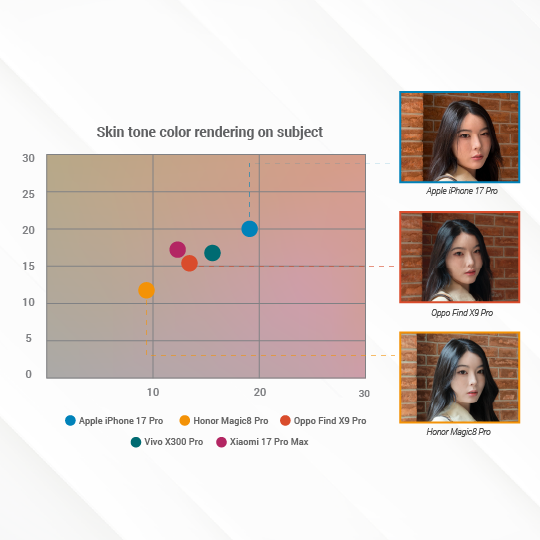
Daylight portraits offer a relatively controlled setting, yet they also allow key differences in image processing to emerge. In this scenario, all five devices produced solid results, though each approached subject rendering and scene interpretation in its own way.





The Xiaomi 17 Pro Max, vivo X300 Pro, and OPPO Find X9 Pro delivered portraits with clear and natural-looking subject representation, maintaining consistent facial rendering and a generally realistic overall appearance. These three devices also remained relatively close in terms of color interpretation, showing only slight variations from one another.
The HONOR Magic8 Pro produced a more processed and stylized look, which may appeal to users who prefer a more enhanced aesthetic. Its rendering also appeared noticeably cooler than the other models, contributing to a less natural impression.
The Apple iPhone 17 Pro offered the warmest interpretation of the scene, with a softer and more subdued representation of the subject compared with the other devices.
Despite these differences, all smartphones handled the daylight portrait scenario effectively, with variations largely reflecting each manufacturer’s preferred interpretation of color, facial detail, and overall portrait style.
Backlit Scene Performance
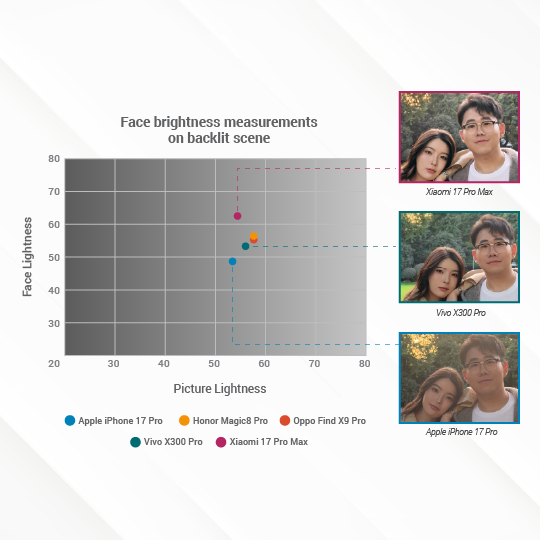
The backlit test created a more demanding environment, pushing each device to balance the bright background with the subject positioned in front of it. This scenario accentuated the distinctions between the devices far more than the daylight portrait.
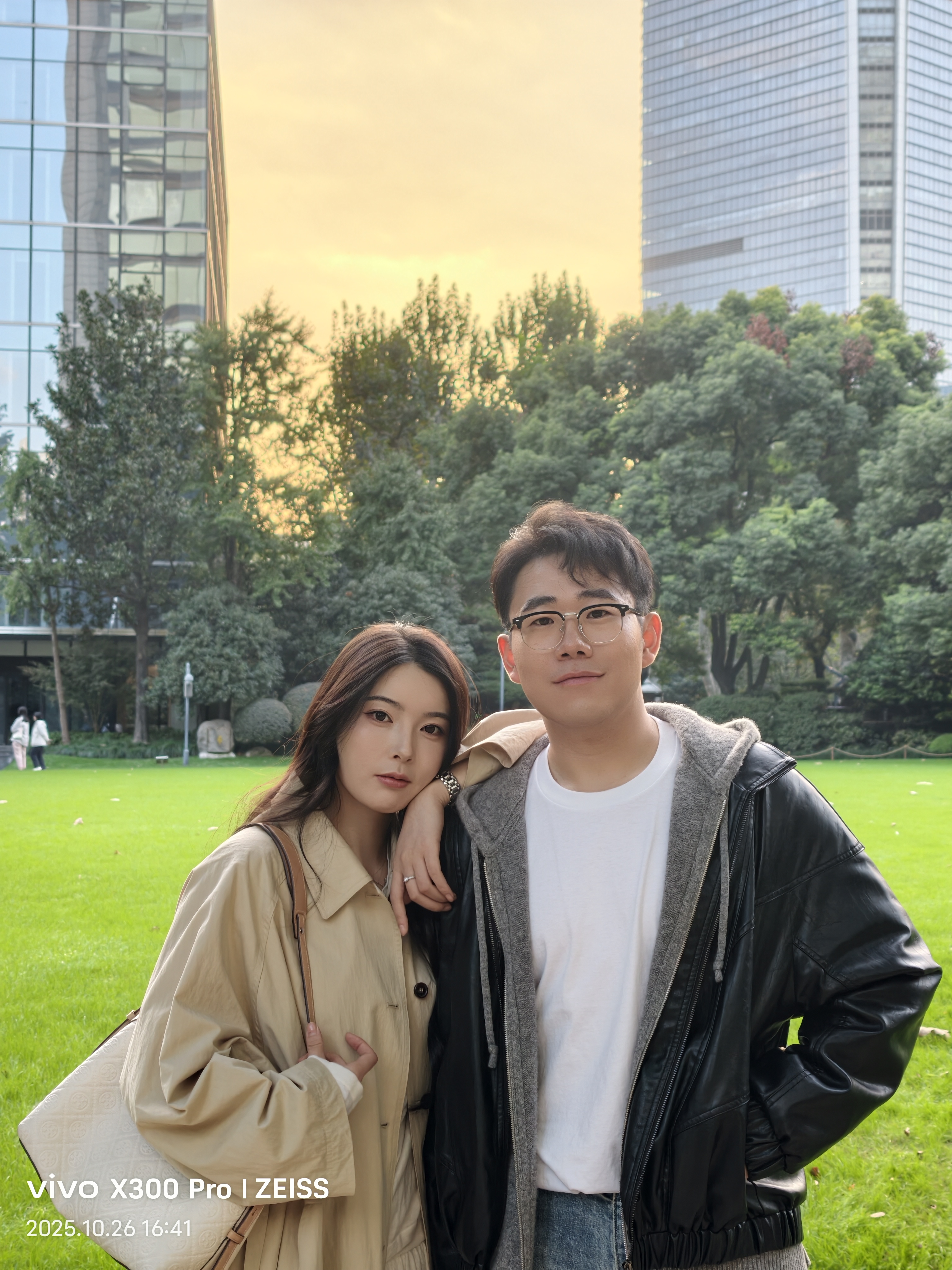

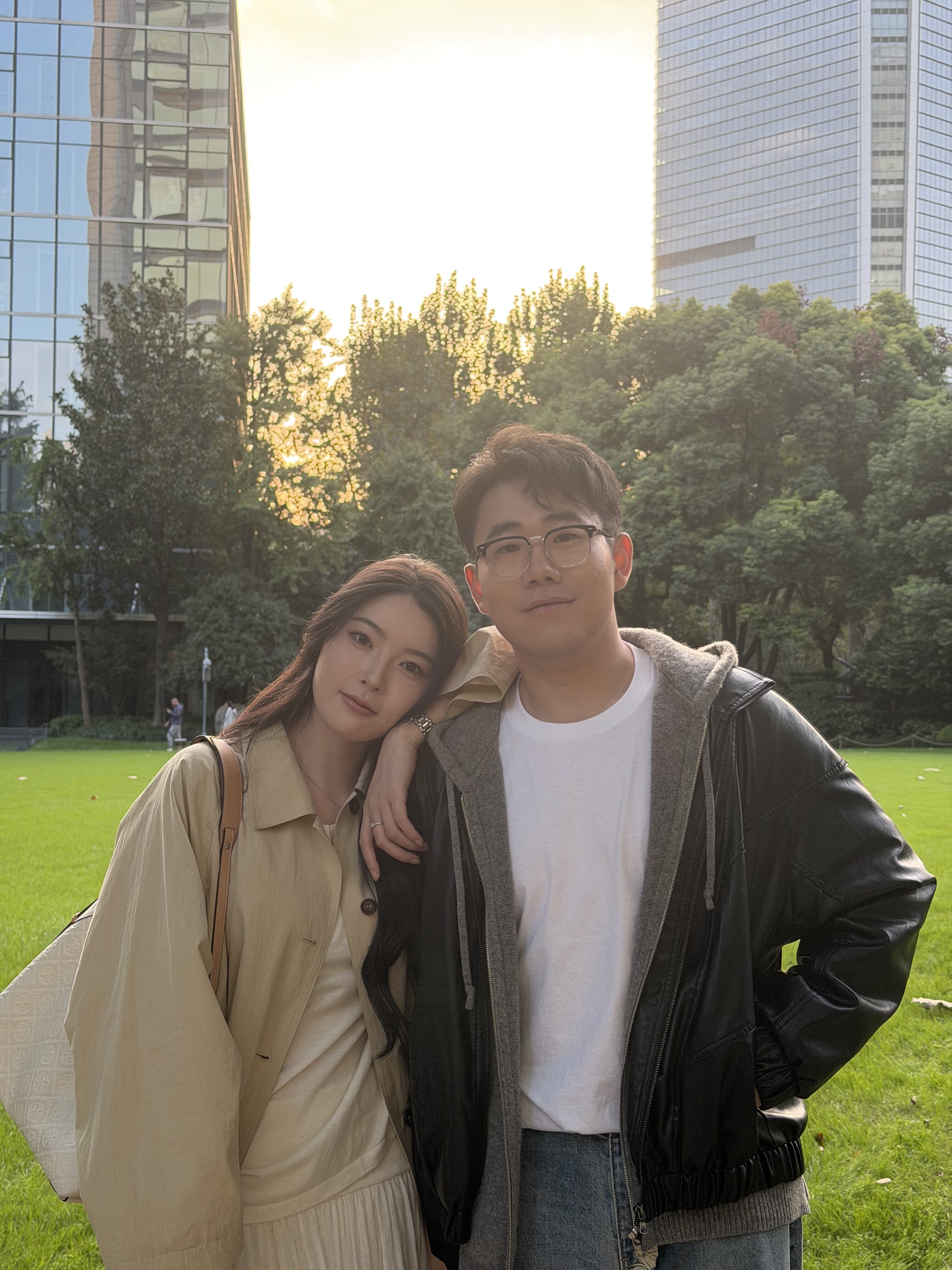
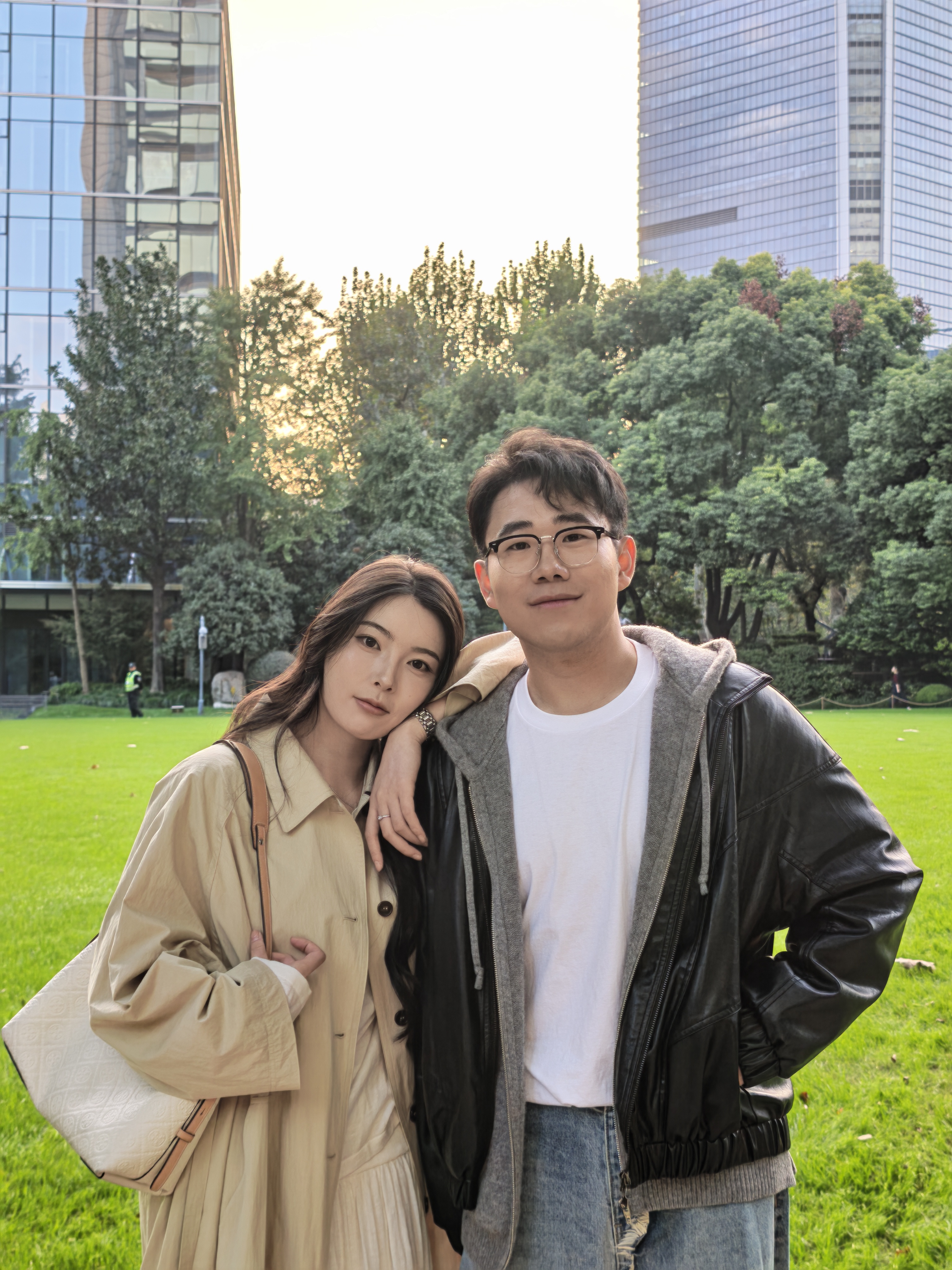
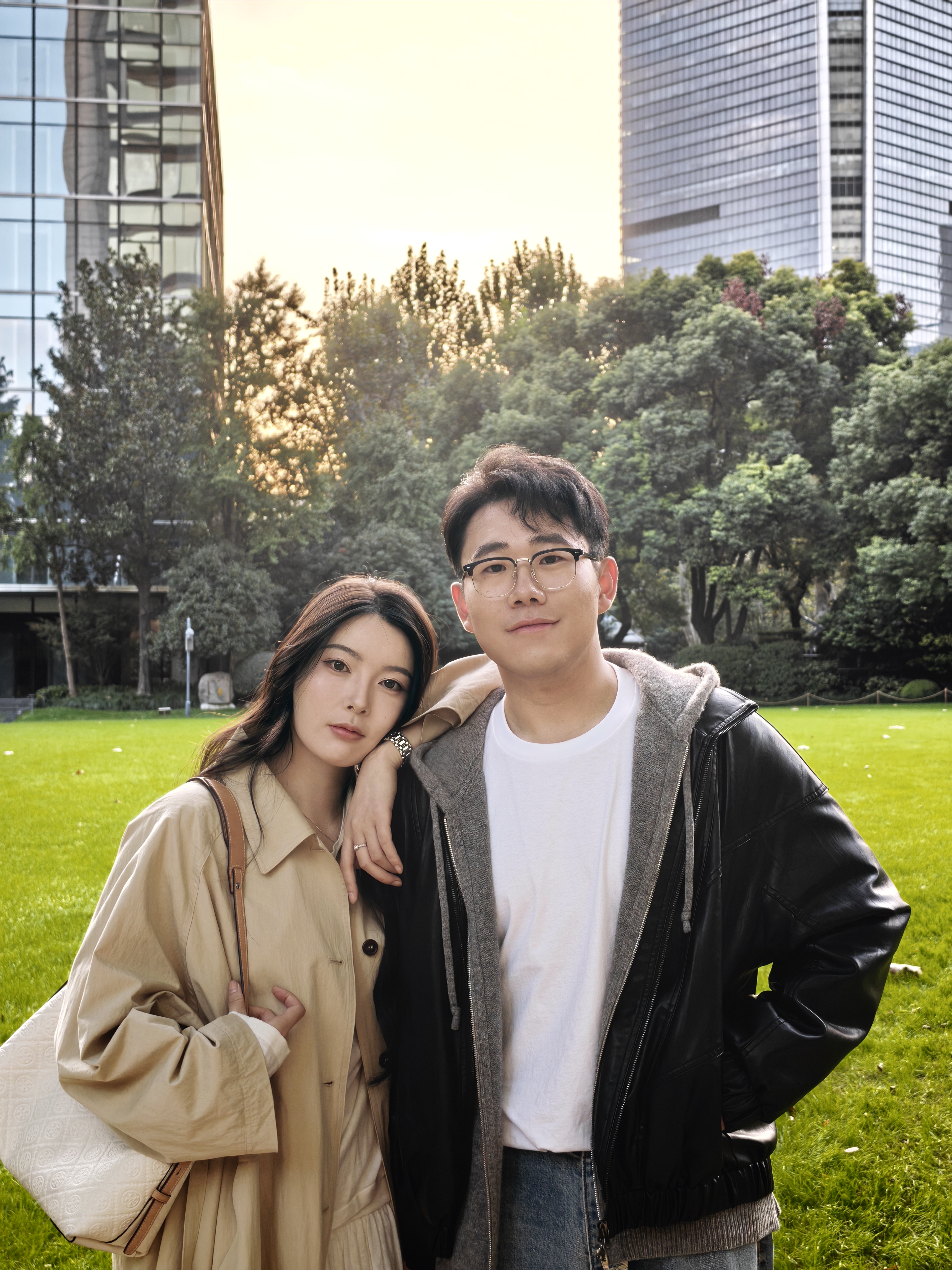
The Xiaomi 17 Pro Max delivered the brightest representation of the subject, making the face more prominent in the frame. In contrast, the iPhone 17 Pro rendered the subject noticeably darker, resulting in a more shadowed appearance.
The vivo X300 Pro and OPPO Find X9 Pro preserved more information in the sky and background areas, offering a better balance between the subject and the environment. Their handling allowed for greater visibility of bright elements behind the subject.
Flare significantly affected both the iPhone 17 Pro and the OPPO Find X9 Pro, reducing overall clarity in the image and softening some details. The Xiaomi 17 Pro Max, VIVO X300 Pro, and HONOR Magic8 Pro maintained stronger subject definition, although the HONOR model continued to exhibit a more processed overall look.
Among the five devices, the OPPO Find X9 Pro showed a noticeable drop in crispness due to flare, while the iPhone 17 Pro delivered the softest backlit result overall.
Conclusion
Across both scenes, the five flagship smartphones demonstrated competent performance, but they also exhibited clearly different rendering styles that reflect each manufacturer’s design choices. Xiaomi, vivo and OPPO tended to deliver brighter and more detailed subject representation, making their results appealing to those who prefer a clear and defined look. HONOR leaned toward a more processed aesthetic that may suit users who enjoy a stylized portrait effect. Apple’s iPhone 17 Pro produced softer and darker results in challenging backlit situations, offering a more subdued interpretation of the scene. These distinctions highlight how each device prioritizes different aspects of image creation, helping users select the smartphone that best aligns with their visual preferences and typical shooting conditions.
We will continue to dive into the performance of these newly released flagships by testing these in additional real world scenarios. Stay tuned!