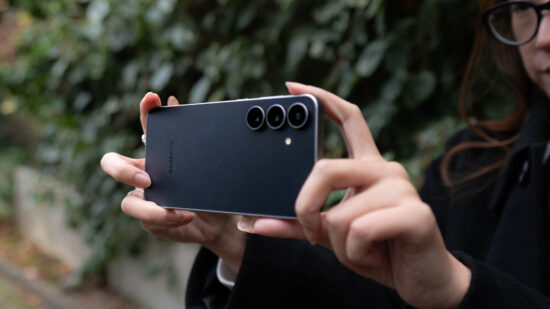
We put the Samsung Galaxy S25 FE through our rigorous DXOMARK Camera test suite to measure its performance in photo, video, and zoom quality from an end-user perspective. This article breaks down how the device ...
We put the Google Pixel 10 Pro XL through our rigorous DXOMARK Camera test suite to measure its performance in photo, video, and zoom quality from an end-user perspective. This article breaks down how the ...
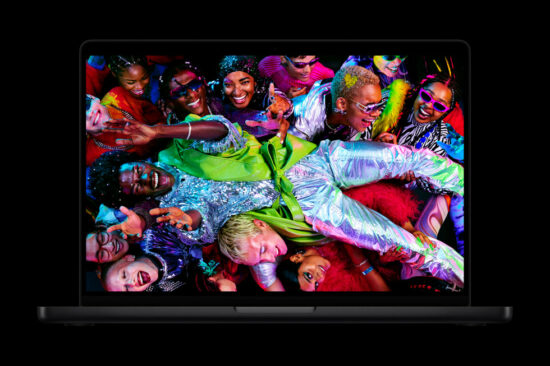
We put the Apple Macbook Pro (M5, 2025) through our rigorous DXOMARK Laptop test suite to measure its performance in sound, camera and display. In this review, we will break down how it fared in ...
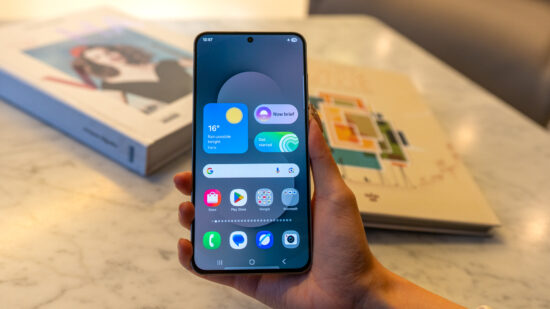
We put the Samsung Galaxy S25 FE through our rigorous DXOMARK Display test suite to measure its performance across four criteria. In this test results, we will break down how it fared in a variety ...
Our series on the latest Chinese flagship smartphones continues. After our first episode focused on daytime portraits and backlit scenarios, and a second episode where we explored night and low-light capabilities, we now turn our ...

 English
 中文
中文