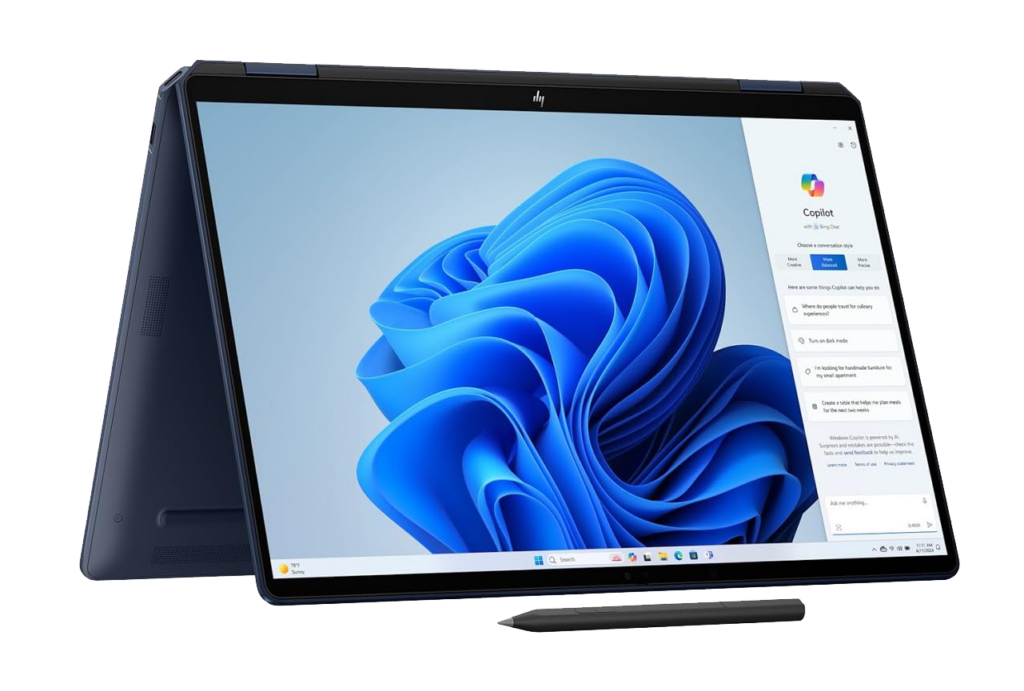
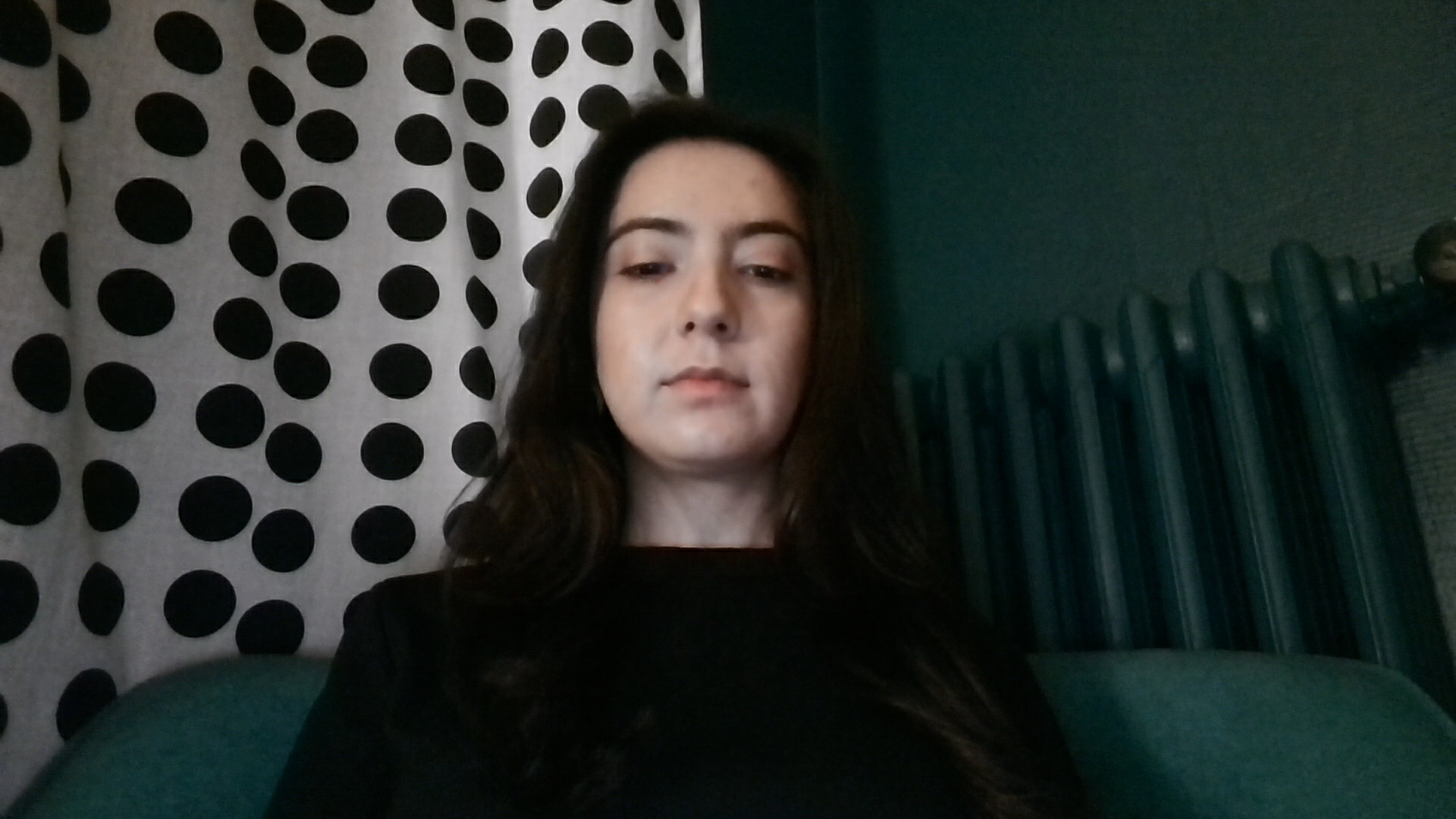
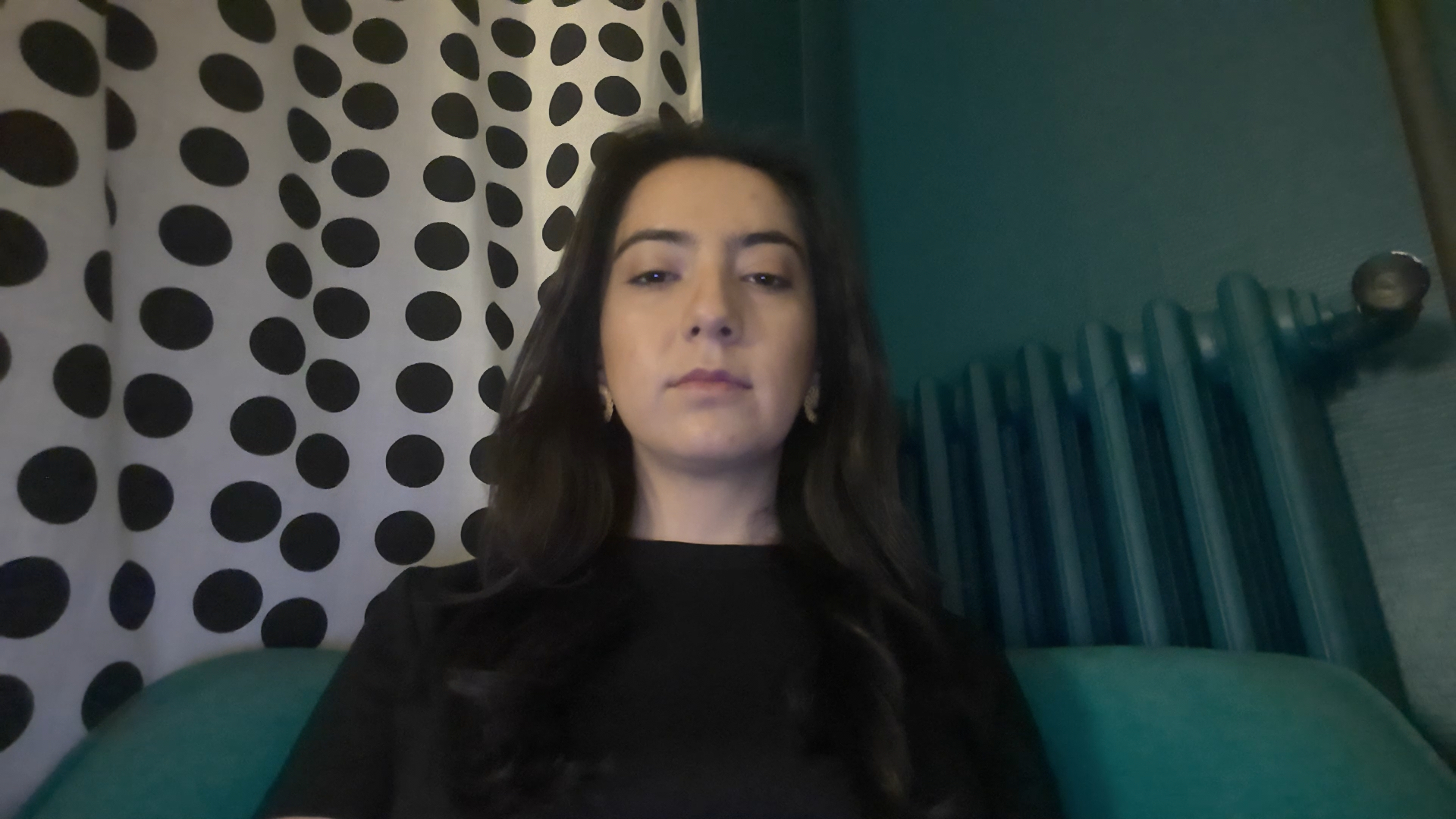
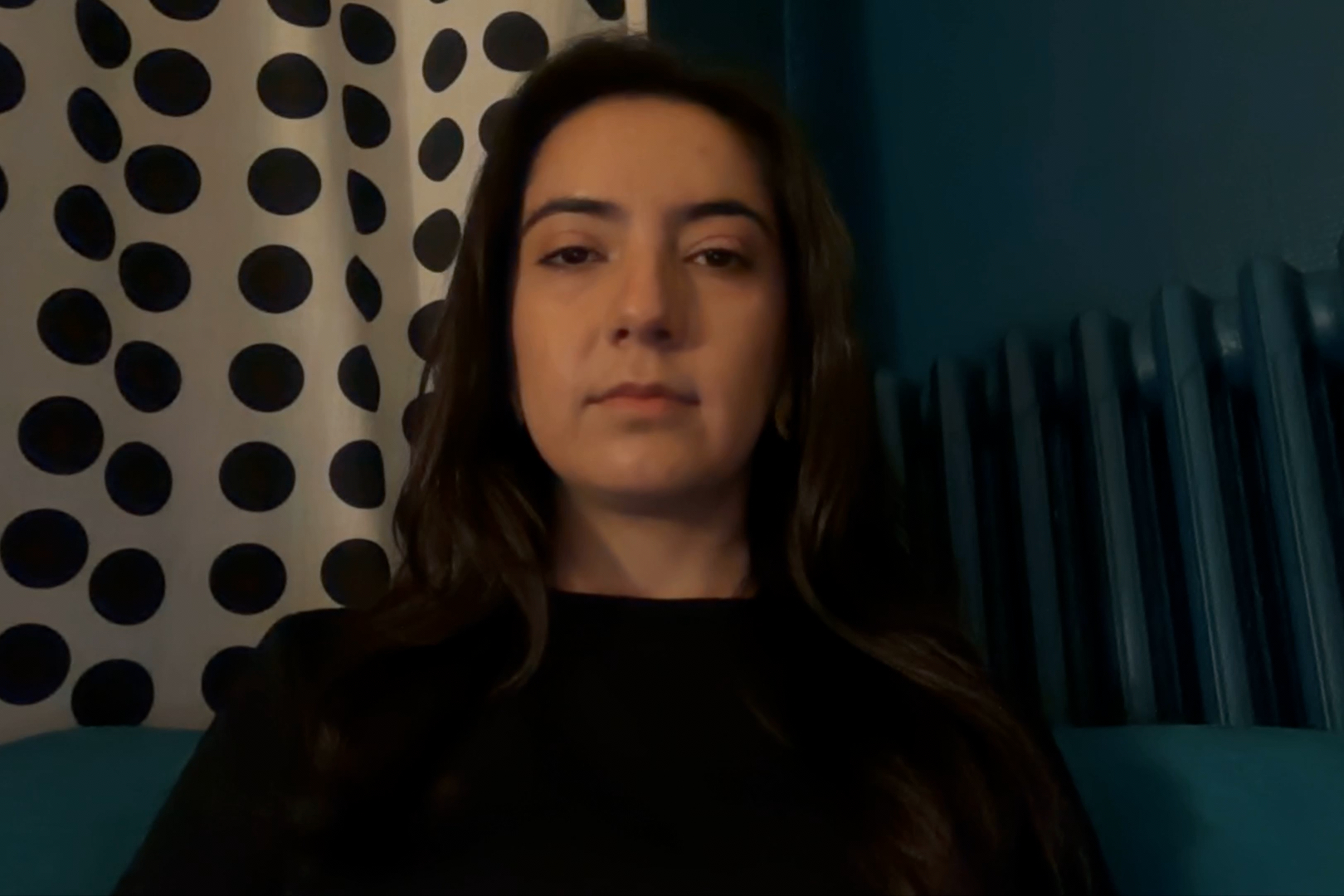
We put the HP OmniBook Ultra Flip 14 through our rigorous DXOMARK Laptop test suite to measure its performance in sound, camera and display. In this review, we will break down how it fared in a variety of tests and several common use cases.
Overview
Scoring
Use-case and feature subscores included in the calculations of the global score
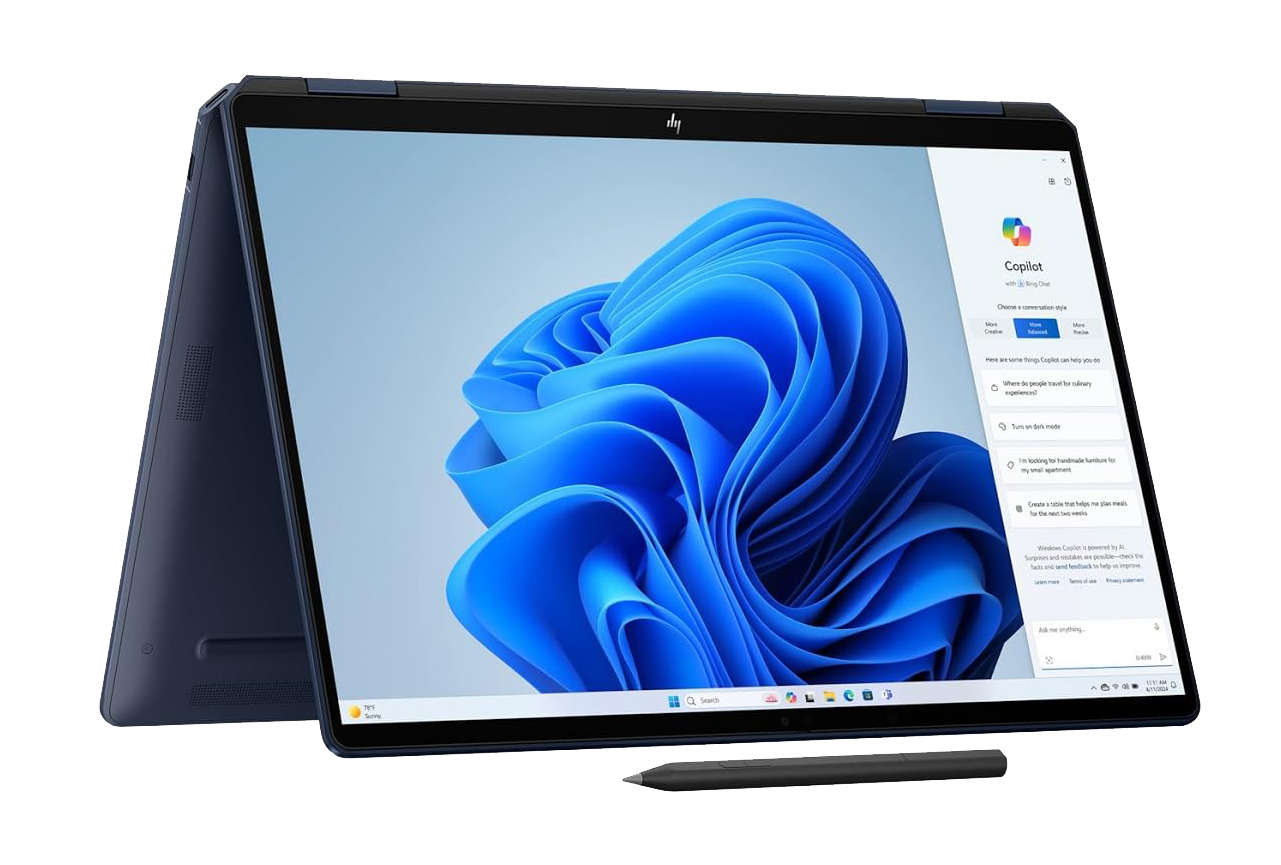 HP OmniBook Ultra Flip 14

63
camera
54
Microsoft Surface Pro 13-inch
Best: Microsoft Surface Pro 13-inch (93)
18
Lenovo ThinkPad X9 Aura
Best: Lenovo ThinkPad X9 Aura (56)
63
Microsoft Surface Laptop 13.8-inch
Best: Microsoft Surface Laptop 13.8-inch (84)
51
Apple MacBook Pro 14" (M5; 2025)
Best: Apple MacBook Pro 14" (M5; 2025) (85)
64
Microsoft Surface Laptop 13.8-inch
Best: Microsoft Surface Laptop 13.8-inch (146)
100
Microsoft Surface Laptop 13.8-inch
Best: Microsoft Surface Laptop 13.8-inch (146)
Pros
- Accurate face exposure in bright indoor conditions
- High detail levels in bright conditions with static subjects
- Well-controlled noise in bright lighting conditions
Cons
- Noticeable exposure and white balance instabilities
- Desaturated colors in static video conferencing scenarios
- Strong clipping in HDR conditions
- Highly visible noise in static and moving video scenarios
- Inaccurate face exposure in low-light conditions
In our comprehensive evaluation of the HP OmniBook Ultra Flip 14, the camera delivers a mixed performance, with its strengths being more apparent in bright indoor video conferencing conditions. One of the key aspects delivered by the HP OmniBook Ultra Flip 14 is its accurate face exposure during bright indoor video calls, allowing subjects to remain appropriately exposed in simple video conferencing scenarios.
The camera is also able to preserve a high level of detail when used in a single-subject video conference under bright lighting conditions. Noise is relatively well controlled in these conditions, contributing to a clean image when the subject remains static. However, the camera becomes significantly less consistent as the lighting and scene complexity increase. Exposure and white balance instabilities are noticeable across the tested conditions, while colors can appear desaturated even during a single static video call. Strong clipping is also visible across all tested HDR scenes, resulting in a significant loss of detail in bright areas. Noise becomes particularly problematic in more challenging use cases, with strong noise visible both during static video calls and when multiple family members are present and moving. In low-light conditions, face exposure is also inaccurate, resulting in incorrectly rendered faces and a reduction in facial detail.
Overall, the HP OmniBook Ultra Flip 14 performs reasonably well for simple bright indoor video conferencing, but its performance deteriorates significantly in more challenging conditions due to noise, desaturated colors, HDR clipping and inaccurate face exposure.
HP OmniBook Ultra Flip 14
Lenovo ThinkPad X9 14” Aura Edition
Test summary
About DXOMARK Laptop tests: For scoring and analysis in our laptop reviews, DXOMARK engineers perform a variety of objective tests and undertake more than 20 hours of perceptual evaluations under controlled lab conditions and real-life scenarios. (For more details about the Laptop protocol, click here.)
The following section gathers key elements of our exhaustive tests and analyses performed in DXOMARK laboratories. Detailed performance evaluations under the form of reports are available upon request. Do not hesitate to contact us.
Camera
63
HP OmniBook Ultra Flip 14
146
Microsoft Surface Laptop 13.8-inch
Microsoft Surface Laptop 13.8-inch
About DXOMARK Camera Laptop tests
DXOMARK evaluates the image quality of the built in camera during video calls, whether with a single person or with multiple people, in a variety of lighting conditions. Our camera evaluation particularly assesses the ability of the built-in camera to clearly render human faces during video calls. Other intrinsic camera quality aspects are also evaluated, like color reproduction, texture and noise, as well as artefacts.
Camera texture acutance on Deadleaves with illuminance levels (Eugene)
This graph shows the evolution of texture acutance with the level of lux measured on a Deadleaves chart.
Camera texture acutance on Deadleaves with illuminance levels (Eugene)
This graph shows the evolution of texture acutance with the level of lux measured on a Deadleaves chart.
Camera texture acutance on Deadleaves with illuminance levels (Eugene)
This graph shows the evolution of texture acutance with the level of lux measured on a Deadleaves chart.
Camera texture acutance on Deadleaves with illuminance levels (Eugene)
This graph shows the evolution of texture acutance with the level of lux measured on a Deadleaves chart.
Camera texture acutance on Deadleaves with illuminance levels (Diana)
This graph shows the evolution of texture acutance with the level of lux measured on a Deadleaves chart.
Camera texture acutance on Deadleaves with illuminance levels (Diana)
This graph shows the evolution of texture acutance with the level of lux measured on a Deadleaves chart.
Camera texture acutance on Deadleaves with illuminance levels (Diana)
This graph shows the evolution of texture acutance with the level of lux measured on a Deadleaves chart.
Camera texture acutance on Deadleaves with illuminance levels (Diana)
This graph shows the evolution of texture acutance with the level of lux measured on a Deadleaves chart.
Camera visual noise evolution with illuminance levels (Eugene)
This graph shows the evolution of spatial visual noise with the level of lux. Spatial visual noise is measured on the visual noise chart in the video noise setup. DXOMARK visual noise measurement is derived from ISO15739 standard.
Camera visual noise evolution with illuminance levels (Eugene)
This graph shows the evolution of spatial visual noise with the level of lux. Spatial visual noise is measured on the visual noise chart in the video noise setup. DXOMARK visual noise measurement is derived from ISO15739 standard.
Camera visual noise evolution with illuminance levels (Eugene)
This graph shows the evolution of spatial visual noise with the level of lux. Spatial visual noise is measured on the visual noise chart in the video noise setup. DXOMARK visual noise measurement is derived from ISO15739 standard.
Camera visual noise evolution with illuminance levels (Eugene)
This graph shows the evolution of spatial visual noise with the level of lux. Spatial visual noise is measured on the visual noise chart in the video noise setup. DXOMARK visual noise measurement is derived from ISO15739 standard.
Camera visual noise evolution with illuminance levels (Diana)
This graph shows the evolution of spatial visual noise with the level of lux. Spatial visual noise is measured on the visual noise chart in the video noise setup. DXOMARK visual noise measurement is derived from ISO15739 standard.
Camera visual noise evolution with illuminance levels (Diana)
This graph shows the evolution of spatial visual noise with the level of lux. Spatial visual noise is measured on the visual noise chart in the video noise setup. DXOMARK visual noise measurement is derived from ISO15739 standard.
Camera visual noise evolution with illuminance levels (Diana)
This graph shows the evolution of spatial visual noise with the level of lux. Spatial visual noise is measured on the visual noise chart in the video noise setup. DXOMARK visual noise measurement is derived from ISO15739 standard.
Camera visual noise evolution with illuminance levels (Diana)
This graph shows the evolution of spatial visual noise with the level of lux. Spatial visual noise is measured on the visual noise chart in the video noise setup. DXOMARK visual noise measurement is derived from ISO15739 standard.
Target exposure on face with illuminance levels in HDR conditions (Eugene)
These measurements take place on a setup combining realistic mannequins and a backlit panel simulating high dynamic range conditions. This graph shows the evolution of lightness measured on the forehead of the realistic mannequin with the level of lux, for multiple lighting conditions. The lightness is measured in L*. Delta EV specifies the difference of luminance in stops between the face and the light panel simulating HDR conditions.
Target exposure on face with illuminance levels in HDR conditions (Eugene)
These measurements take place on a setup combining realistic mannequins and a backlit panel simulating high dynamic range conditions. This graph shows the evolution of lightness measured on the forehead of the realistic mannequin with the level of lux, for multiple lighting conditions. The lightness is measured in L*. Delta EV specifies the difference of luminance in stops between the face and the light panel simulating HDR conditions.
Target exposure on face with illuminance levels in HDR conditions (Eugene)
These measurements take place on a setup combining realistic mannequins and a backlit panel simulating high dynamic range conditions. This graph shows the evolution of lightness measured on the forehead of the realistic mannequin with the level of lux, for multiple lighting conditions. The lightness is measured in L*. Delta EV specifies the difference of luminance in stops between the face and the light panel simulating HDR conditions.
Target exposure on face with illuminance levels in HDR conditions (Eugene)
These measurements take place on a setup combining realistic mannequins and a backlit panel simulating high dynamic range conditions. This graph shows the evolution of lightness measured on the forehead of the realistic mannequin with the level of lux, for multiple lighting conditions. The lightness is measured in L*. Delta EV specifies the difference of luminance in stops between the face and the light panel simulating HDR conditions.
Target exposure on face with illuminance levels in HDR conditions (Diana)
These measurements take place on a setup combining realistic mannequins and a backlit panel simulating high dynamic range conditions. This graph shows the evolution of lightness measured on the forehead of the realistic mannequin with the level of lux, for multiple lighting conditions. The lightness is measured in L*. Delta EV specifies the difference of luminance in stops between the face and the light panel simulating HDR conditions.
Target exposure on face with illuminance levels in HDR conditions (Diana)
These measurements take place on a setup combining realistic mannequins and a backlit panel simulating high dynamic range conditions. This graph shows the evolution of lightness measured on the forehead of the realistic mannequin with the level of lux, for multiple lighting conditions. The lightness is measured in L*. Delta EV specifies the difference of luminance in stops between the face and the light panel simulating HDR conditions.
Target exposure on face with illuminance levels in HDR conditions (Diana)
These measurements take place on a setup combining realistic mannequins and a backlit panel simulating high dynamic range conditions. This graph shows the evolution of lightness measured on the forehead of the realistic mannequin with the level of lux, for multiple lighting conditions. The lightness is measured in L*. Delta EV specifies the difference of luminance in stops between the face and the light panel simulating HDR conditions.
Target exposure on face with illuminance levels in HDR conditions (Diana)
These measurements take place on a setup combining realistic mannequins and a backlit panel simulating high dynamic range conditions. This graph shows the evolution of lightness measured on the forehead of the realistic mannequin with the level of lux, for multiple lighting conditions. The lightness is measured in L*. Delta EV specifies the difference of luminance in stops between the face and the light panel simulating HDR conditions.

 English