Smartphones  >  Vivo X300 Pro  >  Camera Test Results
Ultra-Premium ?

vivo X300 Pro Camera test

We put the Vivo X300 Pro through our rigorous DXOMARK Camera test suite to measure its performance in photo, video, and zoom quality from an end-user perspective. This article breaks down how the device fared in a variety of tests and several common use cases and is intended to highlight the most important results of our testing with an extract of the captured data.

Overview

Key camera specifications:

  • Primary: 50 MP, f/1.6, 24mm (wide), 1/1.28″, 1.22µm, PDAF, OIS
  • Ultra-wide: 50 MP, f/2.0, 15mm, 119˚ (ultrawide), 1/2.76″, 0.64µm, AF
  • Tele: 200 MP, f/2.7, 85mm (periscope telephoto), 1/1.4″, 0.56µm, multi-directional PDAF, OIS, 3.7x optical zoom, macro 2.7:1

Scoring

Sub-scores and attributes included in the calculations of the global score.
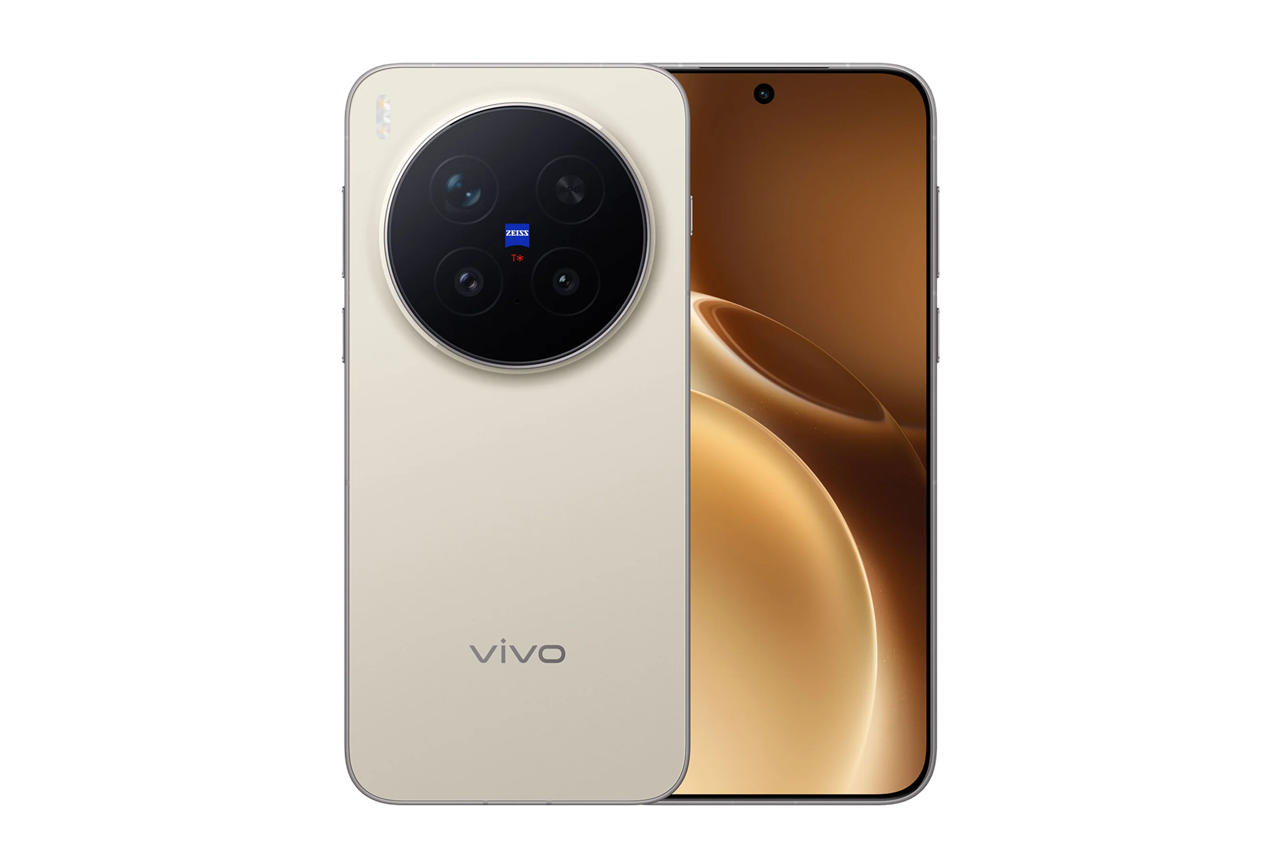

Vivo X300 Pro
171
camera
171
Photo
174

184

180

Best

141

169

170

Best

169
Video
178

186

139

148

135

140

Use cases & Conditions

Use case scores indicate the product performance in specific situations. They are not included in the overall score calculations.

BEST 169

Portrait

Portrait photos of either one person or a group of people

BEST 185

Outdoor

Photos & videos shot in bright light conditions (≥1000 lux)

BEST 180

Indoor

Photos & videos shot in good lighting conditions (≥100lux)

Top score Best

Lowlight

Photos & videos shot in low lighting conditions (<100 lux)

Top score Best

Zoom

Photos and videos captured using zoom (more than 1x)

Pros

  • Target exposure is accurate and stable with wide dynamic range in photo and video.
  • Skin tone rendering are very pleasant with neutral white balance in photo and video.
  • Level of details is high in all conditions in photo and video, with nearly no visible noise in photo.
  • Tele zoom has a good details preservations.
  • Bokeh mode has an excellent segmentation and feels natural.
  • Efficient stabilization in video.

Cons

  • Skin tones on deep model can be a bit unnatural and slightly too bright in photo.
  • Unnatural details rendering can be visible, especially in photo lowlight.
  • Contrast issues can be visible on strong backlit scenes.
  • Some slight white balance casts are sometimes visible.
  • In very challenging conditions, texture artifacts such as scene integrity could be visible.
  • Artifacts such as ghosting and color fringing are sometimes visible.
  • Ultrawide field of view is a bit narrow.

The vivo X300 Pro camera shows a strong overall performance, delivering consistent results across both photo and video use cases. It provides accurate and stable target exposure in most situations, combined with a wide dynamic range that allows the device to handle high-contrast scenes well, both in still images and videos. Color rendering is generally very pleasant, with natural skin tones and an overall neutral white balance, giving a natural rendering for the user experience in most conditions.

The camera manages to keep a high level of fine details in all lighting conditions, with nearly no visible noise in photo, even in difficult lighting environments. In strong HDR scenes, some contrast limitations can be visible, but this behavior remains in line with what we observe on competing devices in the same segment. Thanks to the 200MP tele module, tele zoom performance is solid in both photo and video, allowing good detail preservation at long focal lengths. The bokeh mode is also a strong point, offering very good subject segmentation and a natural blur rendering in the background. In video mode, stabilization works efficiently and provides smooth footage during handheld recording.

Some drawbacks can still be observed. In photo mode, skin tones on darker skin models can sometimes appear slightly too bright or less natural in terms of color rendering. In lowlight conditions, some unnatural detail rendering may be visible, with uneven levels of details between the subject’s face and the background. In very challenging video scenes, texture-related artifacts such as scene integrity issues can appear. Slight white balance casts are sometimes noticeable in both photo and video, especially in lowlight conditions. Artifacts such as ghosting and color fringing can also be visible, particularly in video. Finally, the ultra-wide camera offers a relatively narrow field of view compared to some competitors, which can be slightly limiting for the user.

Overall, the vivo X300 Pro delivers a very reliable camera experience, with strong performances in exposure, color, detail preservation, and bokeh rendering, while still leaving some room for improvement in extreme shooting conditions and artifact control.
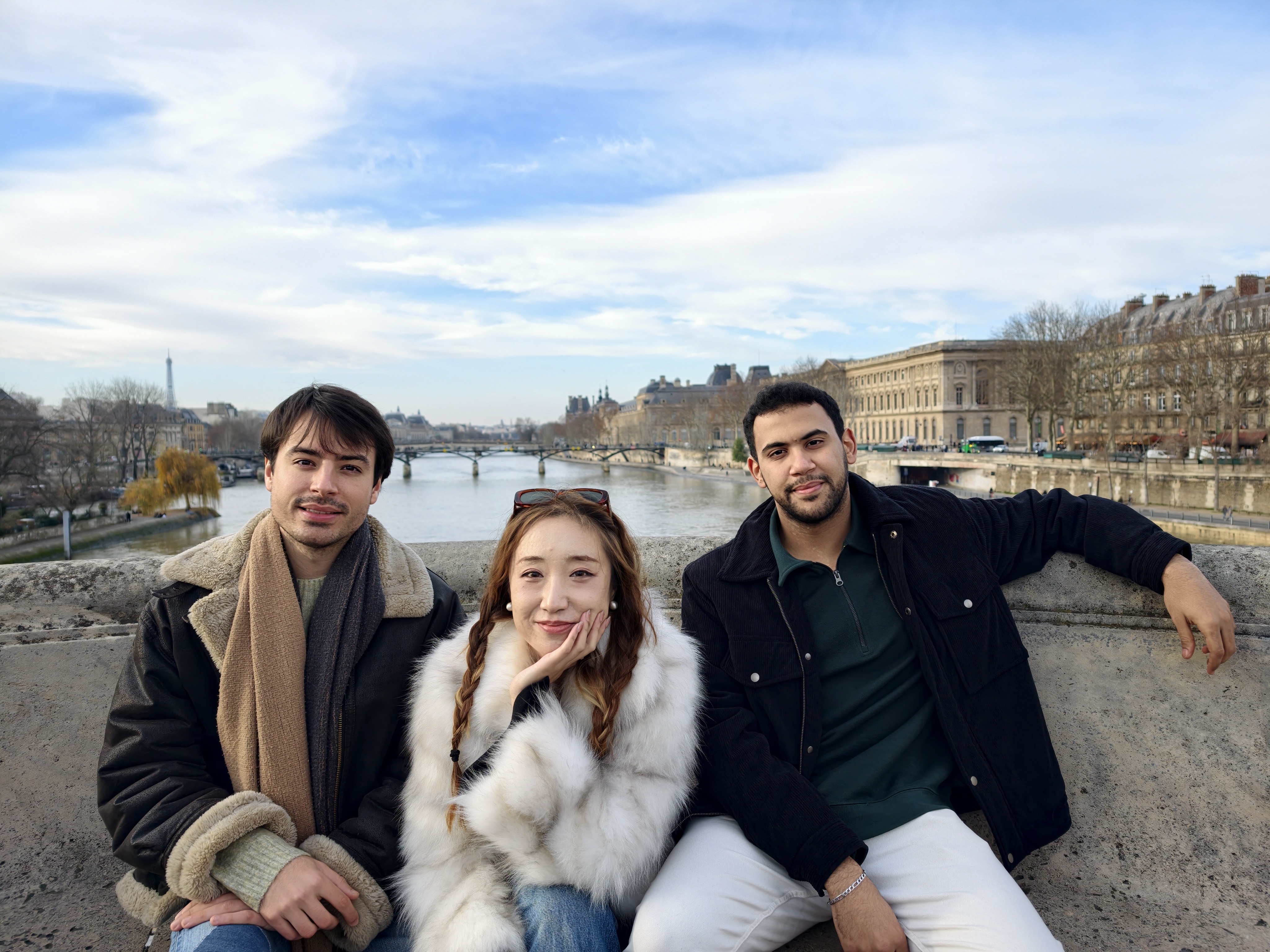
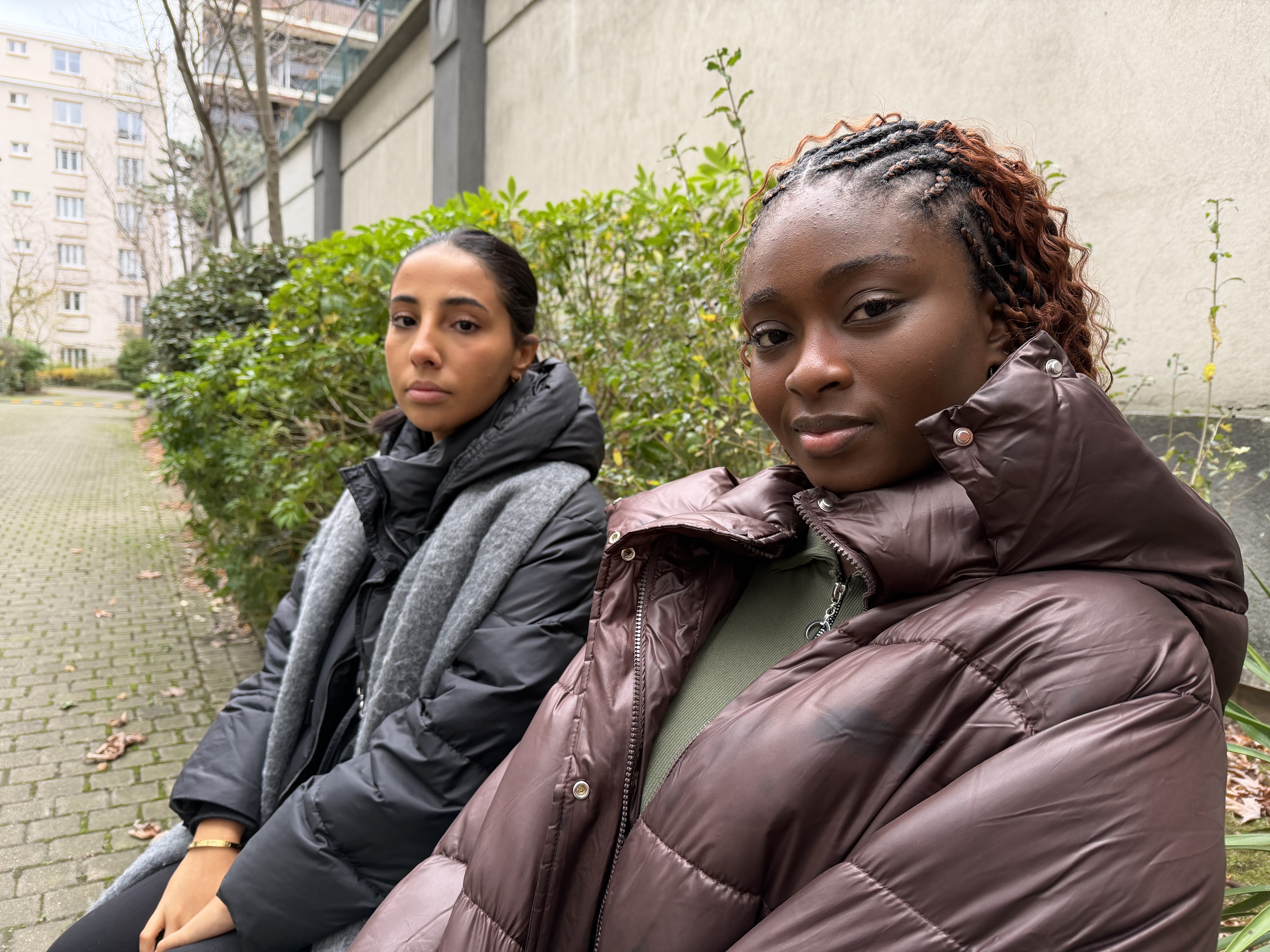
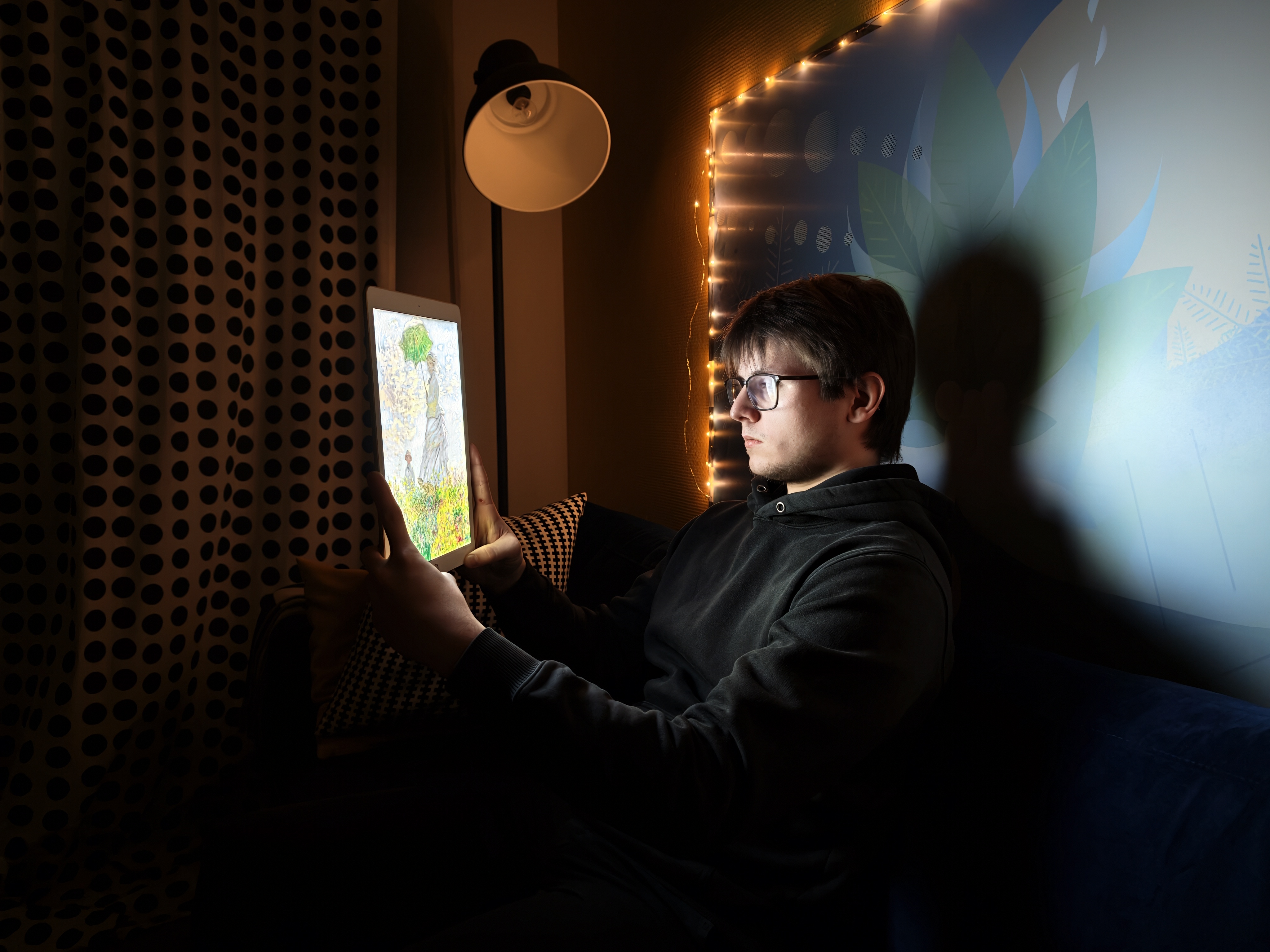
Vivo X300 Pro – Accurate white balance and very pleasant color renderings, especially on skin tones.


Top score Best
Lowlight

In lowlight conditions, the Vivo X300 Pro is able to maintain a very high level of detail, especially on portraits. Fine details are generally well preserved, or sometimes reconstructed, which can occasionally result in slightly unnatural detail rendering. Images remain bright and saturated, and while some white balance casts can be visible, they tend to be warm and not overly disturbing for the user experience.

The wide dynamic range allows the camera to capture most of the details in the scene accurately, while also preserving brighter areas without visible clipping. Noise reduction in photo mode is very efficient, with almost no visible luminance noise, even in very dark lighting conditions, contributing to clean and pleasant lowlight images overall.

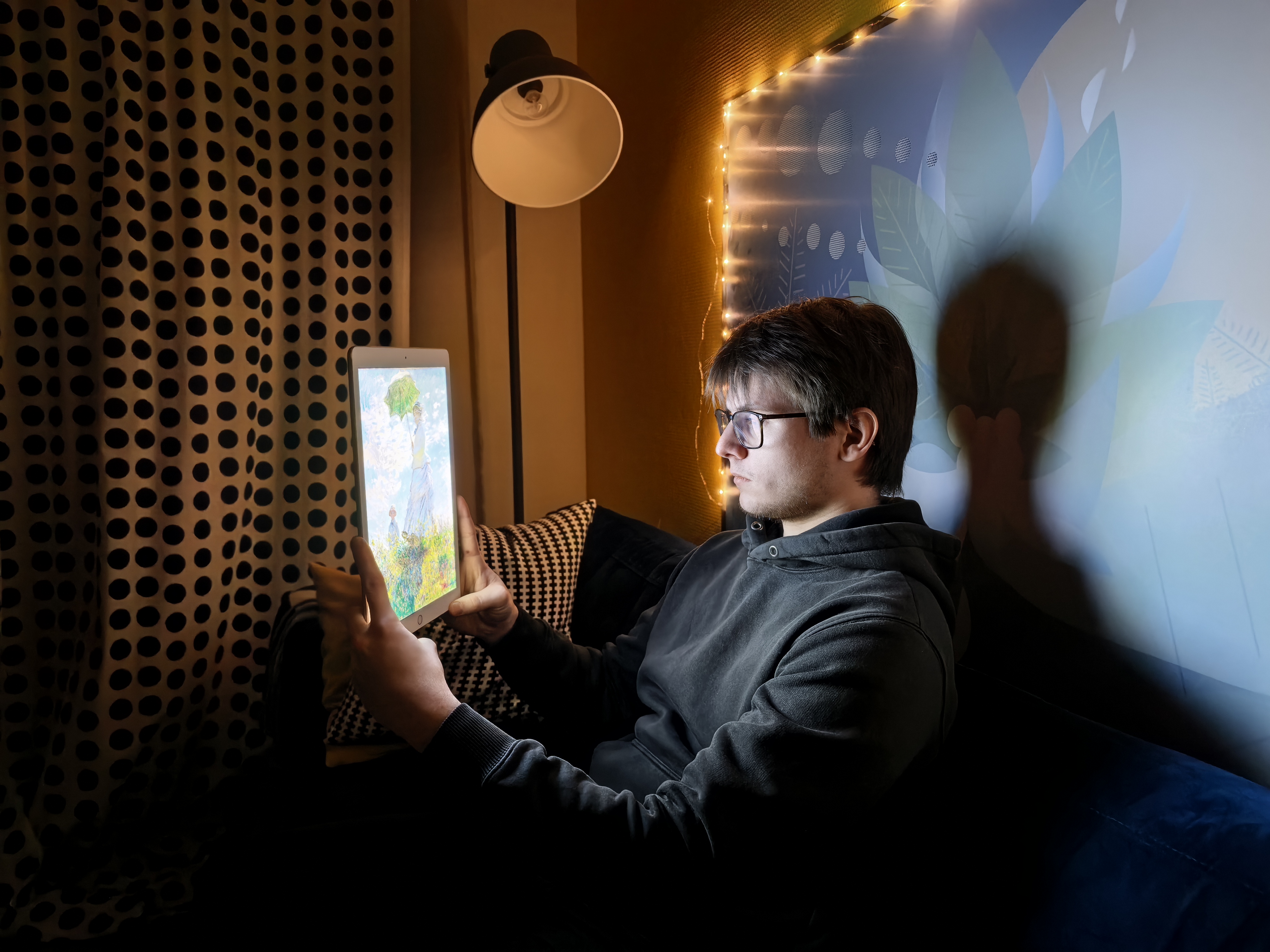
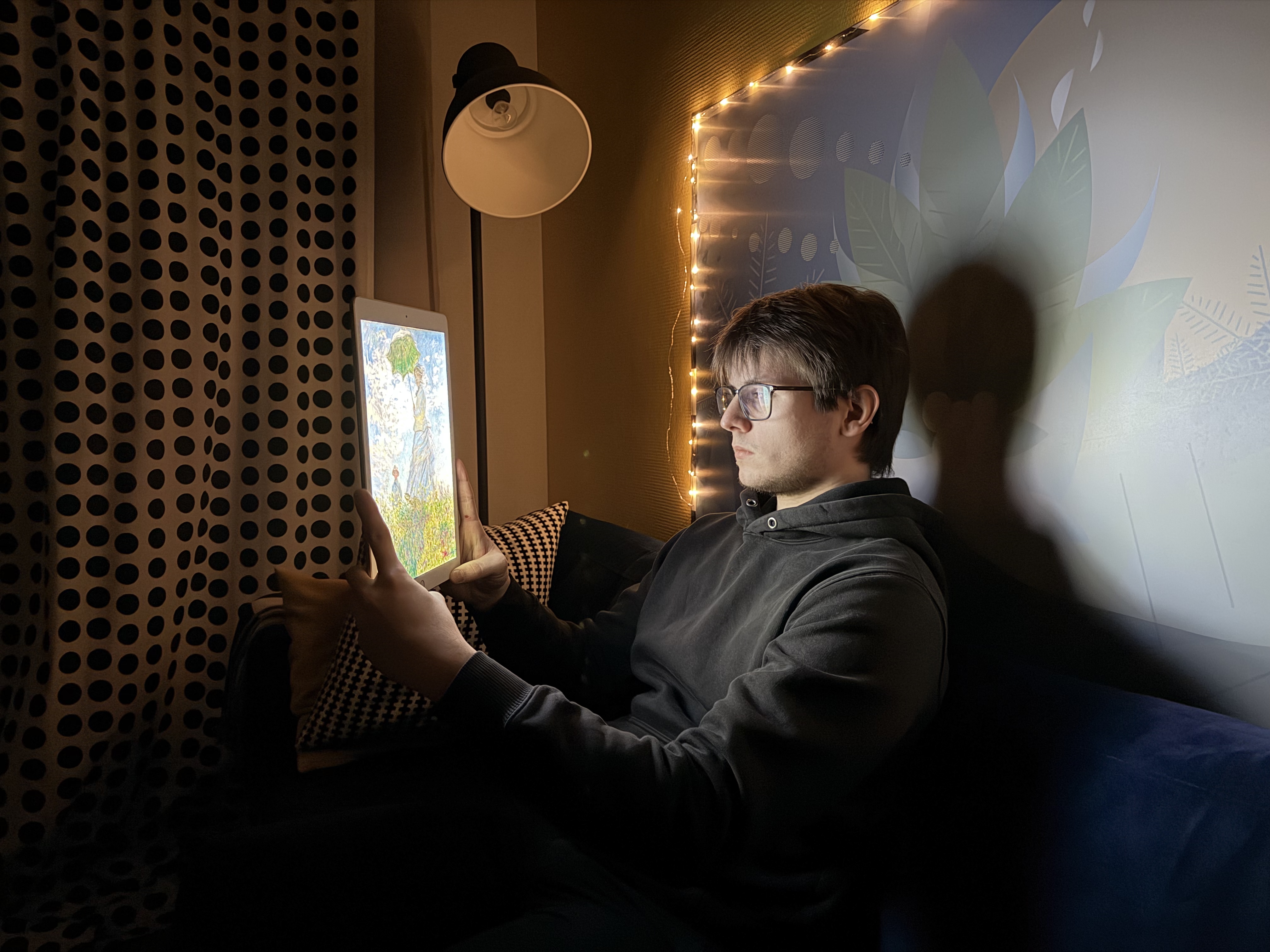
Vivo X300 Pro – Acceptable target exposure, slightly warm white balance, good detail rendering
Huawei Pura 80 Ultra – Accurate target exposure, warmer white balance with slightly inaccurate skin tones, good detail rendering
Apple iPhone 17 Pro – Acceptable target exposure, warm white balance, good detail rendering with visible noise
BEST 169
Portrait

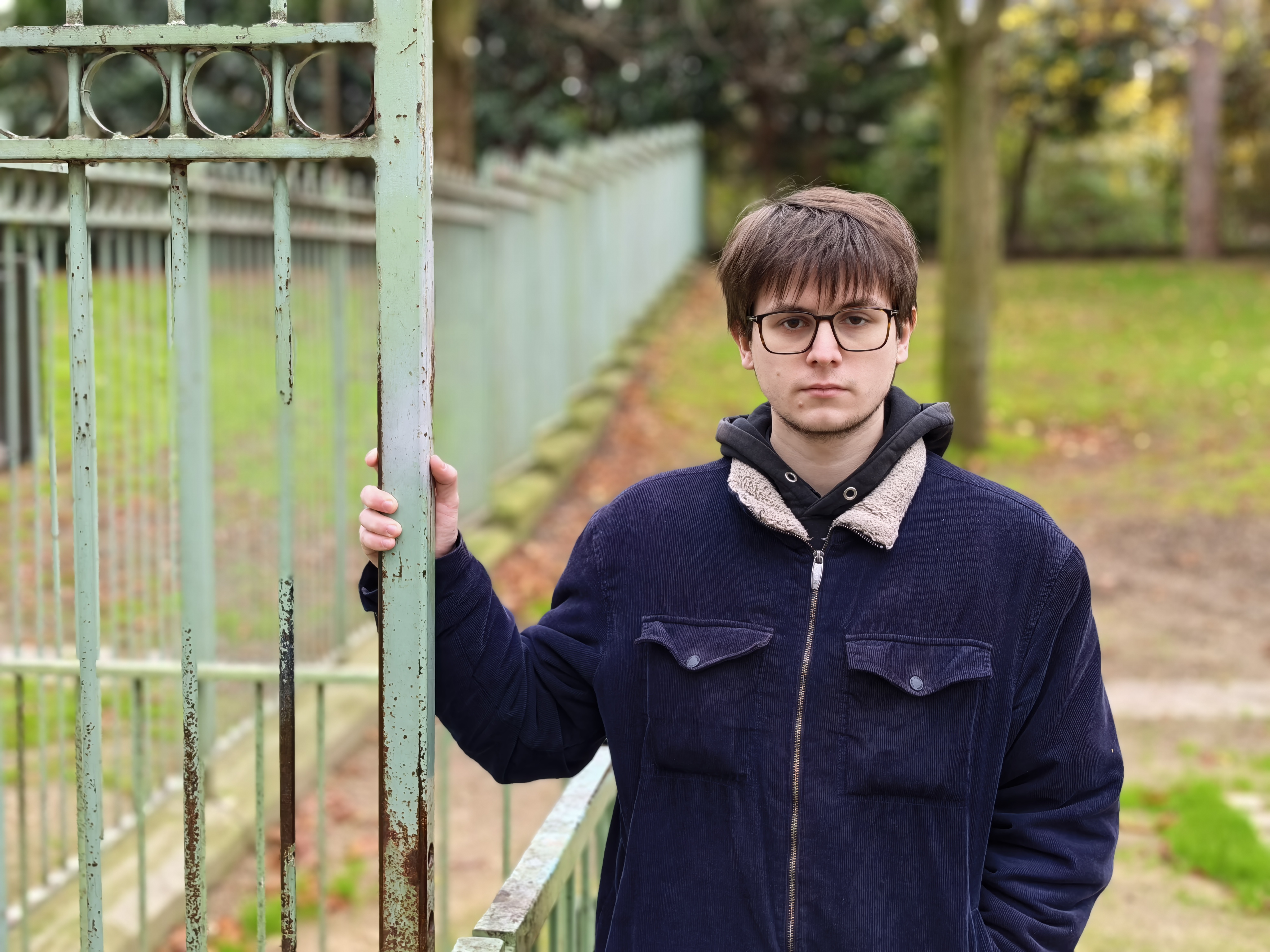
Portrait is one of the main strengths of the device. Thanks to a very pleasant color management, skin tone rendering on the Vivo is often natural across most situations, combining sharp facial details with a soft and pleasing skin rendering. Except in very harsh backlit conditions, the camera is able to capture beautiful portraits and group pictures for most different skin tones.

Some limitations can still be observed. Deep skin tones can occasionally show slight color inaccuracies and appear a bit too bright, especially when compared to some competitors that manage this type of skin tone more consistently. In addition, depth of field can be slightly limited, meaning that in group pictures, subjects positioned in the back may appear slightly blurred.

Vivo X300 Pro – Very pleasant skin tone rendering on both models with good details preservations.
Huawei Pura 80 Ultra – Pleasant and neutral skin tone rendering with good details preservations.
Apple iPhone 17 Pro – Pleasant skin tone with good details preservations.
Top score Best
Zoom

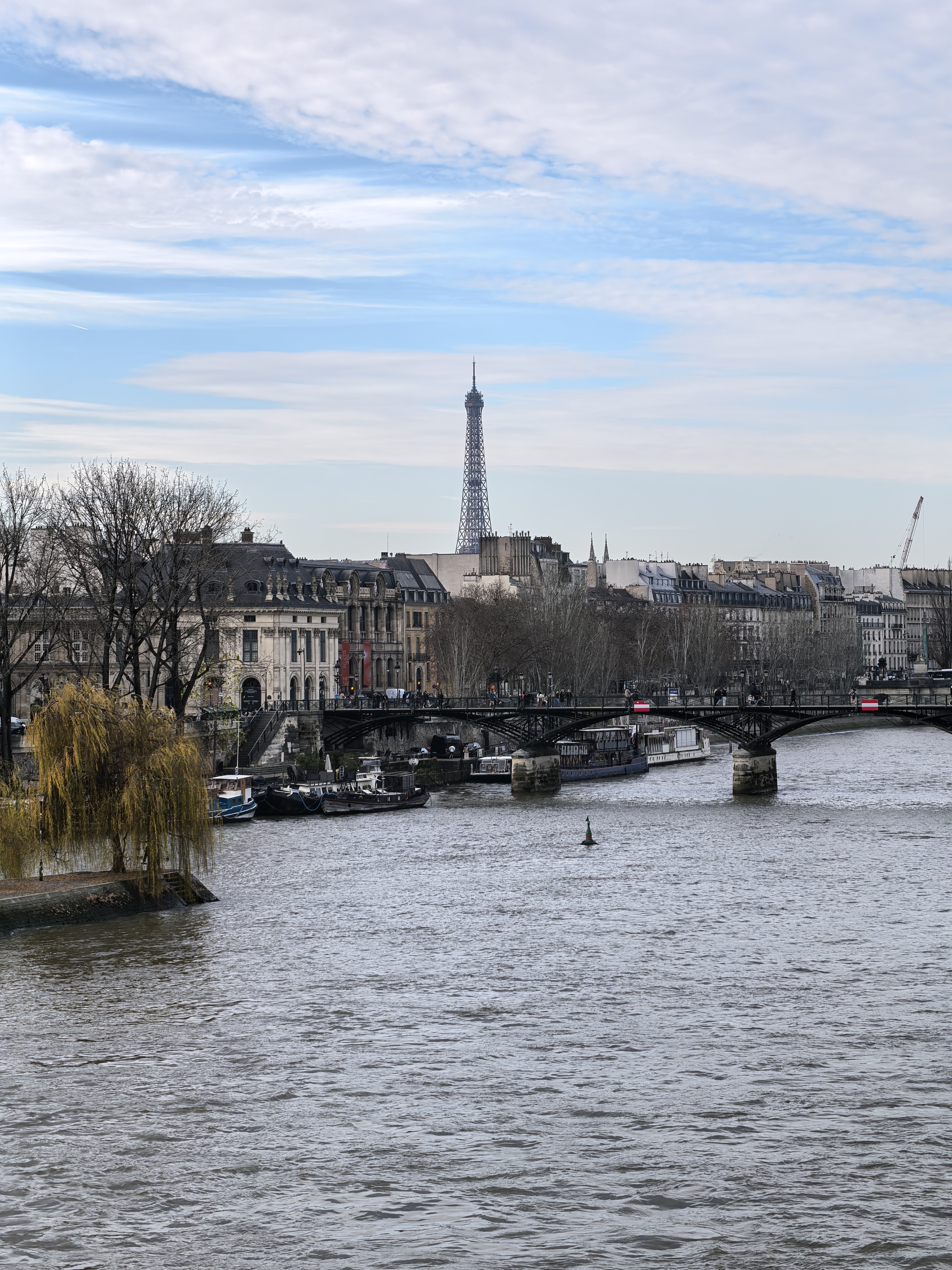
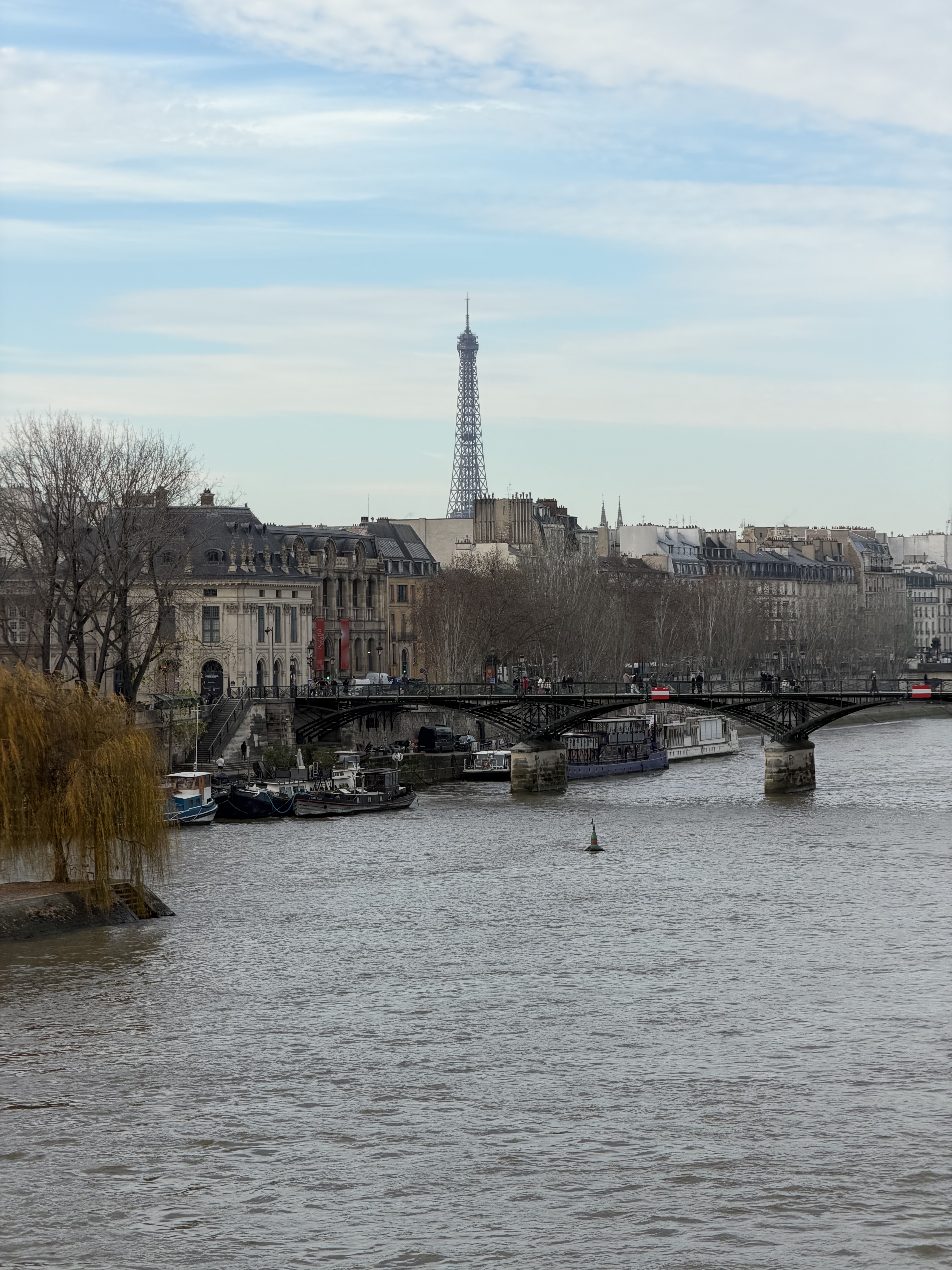
Tele is another strong point of the Vivo X300 Pro, thanks to its 200MP tele module. It is able to capture impressive images with a high level of detail preservation at long range. Both photo and video results remain crisp at close and medium range, even if the best quality is achieved once the device switches to the dedicated tele camera. The ultra-wide module also delivers very good image quality overall, but its field of view is relatively narrow compared to some competitors, which can be slightly limiting for the user in certain shooting situations.


Eiffel Tower
Vivo X300 Pro - High level of details
Eiffel Tower
Huawei Pura 80 Ultra - High level of details.
Eiffel Tower
Apple iPhone 17 Pro - Good level of details.

Test summary

About DXOMARK Camera tests: DXOMARK’s camera evaluations take place in laboratories and real-world situations using a wide variety of use-cases. The scores rely on objective tests for which the results are calculated directly using measurement software in our laboratory setups, and on perceptual tests where a sophisticated set of metrics allow a panel of image experts to compare aspects of image quality that require human judgment. Testing a smartphone involves a team of engineers and technicians for about a week. Photo and Video quality are scored separately and then combined into an overall score for comparison among the cameras in different devices. For more information about the DXOMARK Camera protocol, click here. More details on smartphone camera scores are available here. The following section gathers key elements of DXOMARK’s exhaustive tests and analyses. Full performance evaluations are available upon request. Please contact us  on how to receive a full report.

Vivo X300 Pro Camera Scores
This graph compares DXOMARK photo and video scores between the tested device and references. Average and maximum scores of the price segment are also indicated. Average and maximum scores for each price segment are computed based on the DXOMARK database of devices tested.

Photo

171

Vivo X300 Pro

180

Huawei Pura 80 Ultra
About DXOMARK Camera Photo tests

For scoring and analysis, DXOMARK engineers capture and evaluate more than 3,800 test images in controlled lab environments as well as outdoor, indoor and low-light natural scenes, using the camera’s default settings. The photo protocol is designed to take into account the main use cases and is based on typical shooting scenarios, such as portraits, landscape and zoom photography. The evaluation is performed by visually inspecting images against a reference of natural scenes, and by running objective measurements on images of charts captured in the lab under different lighting conditions from 0.1 to 10,000+ lux and color temperatures from 2,300K to 6,500K.

The Vivo X300 Pro is a very solid device for photo enthusiasts, delivering good image quality in most situations. Its versatility allows the user to rely on all camera features while maintaining a good level of performance across a wide range of shooting conditions. Images are generally sharp, pleasant, and accurate, with very few noticeable failures.

Color rendering is often pleasing, combined with accurate exposure and a high level of detail capture, resulting in a natural overall rendering. From bright daylight to lowlight conditions, colors remain well saturated while preserving a good amount of fine details.

Main

174

Vivo X300 Pro

184

Huawei Pura 80 Ultra
Vivo X300 Pro Photo scores
The photo Main tests analyze image quality attributes such as exposure, color, texture, and noise in various light conditions. Autofocus performances and the presence of artifacts on all images captured in controlled lab conditions and in real-life images are also evaluated. All these attributes have a significant impact on the final quality of the images captured with the tested device and can help to understand the camera's main strengths and weaknesses at 1x.

When using the main camera, the Vivo X300 Pro positions itself among the top competitors for most key attributes. Its wide dynamic range, combined with accurate target exposure on faces, allows the device to capture bright and pleasant portraits, with generally pleasing color rendering, especially for skin tones. On deep skin tones, some slight unnatural color rendering can occasionally be observed.

Autofocus is fast and accurate in most situations, but the slightly limited depth of field can have an impact on group pictures, with people positioned in the back appearing a bit out of focus. Even in lowlight conditions, the texture-to-noise trade-off remains very impressive, preserving a good amount of fine details with almost no visible noise. AI-based enhancements also help recover lost fine details, such as eyebrows and hair, but in some cases the processing can become noticeable and slightly unnatural.

Close-Up

The Macro mode of the vivo X300 Pro is generally efficient, capturing a high level of detail in close-up shots while maintaining accurate colors and good target exposure. Some loss of sharpness toward the edges of the frame can occasionally be observed, but overall the results remain reliable for close-range photography.

Vivo X300 Pro – Good detail preservation, warm white balance.
Huawei Pura 80 Ultra – Good detail preservation, visible white balance cast.
Apple iPhone 17 Pro – Decent detail preservation, pleasant white balance.
Exposure
130

Vivo X300 Pro

134

Huawei Pura 80 Ultra

Exposure is one of the key attributes for technically good pictures. The main attribute evaluated is the brightness level of the main subject through various use cases such as landscape, portrait, or still life. Other factors evaluated are the global contrast and the ability to render the dynamic range of the scene (ability to render visible details in both bright and dark areas). When the camera provides Photo HDR format, the images are analyzed with a visualization on an HDR reference monitor, under reference conditions specified in the ISO-22028-5 standard. Repeatability is also important because it demonstrates the camera's ability to provide the same rendering when shooting several images of the same scene.

Brightness on face with illuminance levels (Diana)
These graphs represent the output level on the face measured on the images captured by the device under test in multiple lighting conditions on the AFHDR Portrait setup. We show here the intensity measured on the forehead of the realistic mannequin, for a picture displayed on a HDR monitor in standard ISO/TS 22028-5 playback conditions. The multiple lighting conditions of the scene are characterized by the illumination level in lux and the relative brightness of the backlit panel simulating high dynamic range conditions. Delta EV specifies the difference of luminance in stops between the face and the light panel simulating HDR conditions. The intensity is measured in JND derived from the ICtCp color space.
Brightness on face with illuminance levels (Diana)
These graphs represent the output level on the face measured on the images captured by the device under test in multiple lighting conditions on the AFHDR Portrait setup. We show here the intensity measured on the forehead of the realistic mannequin, for a picture displayed on a HDR monitor in standard ISO/TS 22028-5 playback conditions. The multiple lighting conditions of the scene are characterized by the illumination level in lux and the relative brightness of the backlit panel simulating high dynamic range conditions. Delta EV specifies the difference of luminance in stops between the face and the light panel simulating HDR conditions. The intensity is measured in JND derived from the ICtCp color space.
Brightness on face with illuminance levels (Diana)
These graphs represent the output level on the face measured on the images captured by the device under test in multiple lighting conditions on the AFHDR Portrait setup. We show here the intensity measured on the forehead of the realistic mannequin, for a picture displayed on a HDR monitor in standard ISO/TS 22028-5 playback conditions. The multiple lighting conditions of the scene are characterized by the illumination level in lux and the relative brightness of the backlit panel simulating high dynamic range conditions. Delta EV specifies the difference of luminance in stops between the face and the light panel simulating HDR conditions. The intensity is measured in JND derived from the ICtCp color space.
Brightness on face with illuminance levels (Diana)
These graphs represent the output level on the face measured on the images captured by the device under test in multiple lighting conditions on the AFHDR Portrait setup. We show here the intensity measured on the forehead of the realistic mannequin, for a picture displayed on a HDR monitor in standard ISO/TS 22028-5 playback conditions. The multiple lighting conditions of the scene are characterized by the illumination level in lux and the relative brightness of the backlit panel simulating high dynamic range conditions. Delta EV specifies the difference of luminance in stops between the face and the light panel simulating HDR conditions. The intensity is measured in JND derived from the ICtCp color space.
Brightness on face with illuminance levels (Eugene)
These graphs represent the output level on the face measured on the images captured by the device under test in multiple lighting conditions on the AFHDR Portrait setup. We show here the intensity measured on the forehead of the realistic mannequin, for a picture displayed on a HDR monitor in standard ISO/TS 22028-5 playback conditions. The multiple lighting conditions of the scene are characterized by the illumination level in lux and the relative brightness of the backlit panel simulating high dynamic range conditions. Delta EV specifies the difference of luminance in stops between the face and the light panel simulating HDR conditions. The intensity is measured in JND derived from the ICtCp color space.
Brightness on face with illuminance levels (Eugene)
These graphs represent the output level on the face measured on the images captured by the device under test in multiple lighting conditions on the AFHDR Portrait setup. We show here the intensity measured on the forehead of the realistic mannequin, for a picture displayed on a HDR monitor in standard ISO/TS 22028-5 playback conditions. The multiple lighting conditions of the scene are characterized by the illumination level in lux and the relative brightness of the backlit panel simulating high dynamic range conditions. Delta EV specifies the difference of luminance in stops between the face and the light panel simulating HDR conditions. The intensity is measured in JND derived from the ICtCp color space.
Brightness on face with illuminance levels (Eugene)
These graphs represent the output level on the face measured on the images captured by the device under test in multiple lighting conditions on the AFHDR Portrait setup. We show here the intensity measured on the forehead of the realistic mannequin, for a picture displayed on a HDR monitor in standard ISO/TS 22028-5 playback conditions. The multiple lighting conditions of the scene are characterized by the illumination level in lux and the relative brightness of the backlit panel simulating high dynamic range conditions. Delta EV specifies the difference of luminance in stops between the face and the light panel simulating HDR conditions. The intensity is measured in JND derived from the ICtCp color space.
Brightness on face with illuminance levels (Eugene)
These graphs represent the output level on the face measured on the images captured by the device under test in multiple lighting conditions on the AFHDR Portrait setup. We show here the intensity measured on the forehead of the realistic mannequin, for a picture displayed on a HDR monitor in standard ISO/TS 22028-5 playback conditions. The multiple lighting conditions of the scene are characterized by the illumination level in lux and the relative brightness of the backlit panel simulating high dynamic range conditions. Delta EV specifies the difference of luminance in stops between the face and the light panel simulating HDR conditions. The intensity is measured in JND derived from the ICtCp color space.

In terms of exposure, the Vivo X300 Pro is able to capture clear and bright images, thanks to its HDR processing. Target exposure is generally accurate, particularly on portrait subjects, and remains consistent between consecutive shots. On darker skin tones, exposure can occasionally be slightly high.

The camera’s wide dynamic range allows it to preserve most details in both bright and dark areas. Contrast is generally pleasant, though it can sometimes appear a bit strong, especially in shadows on lowlight scenes or in very strong backlit conditions, which can lead to visible issues on the subject.

Vivo X300 Pro – Bright target exposure, soft contrast, wide dynamic range.
Huawei Pura 80 Ultra – Accurate target exposure, balanced contrast, wide dynamic range.
Apple iPhone 17 Pro – Accurate target exposure, balanced contrast, wide dynamic range.
Color
132

Vivo X300 Pro

133

Huawei Pura 80 Ultra

Color is one of the key attributes for technically good pictures. The image quality attributes analyzed are skin-tone rendering, white balance, color shading, and repeatability. For color and skin tone rendering, we penalize unnatural colors according to results gathered in various studies and consumer insights while respecting the manufacturer's choice of color signature.

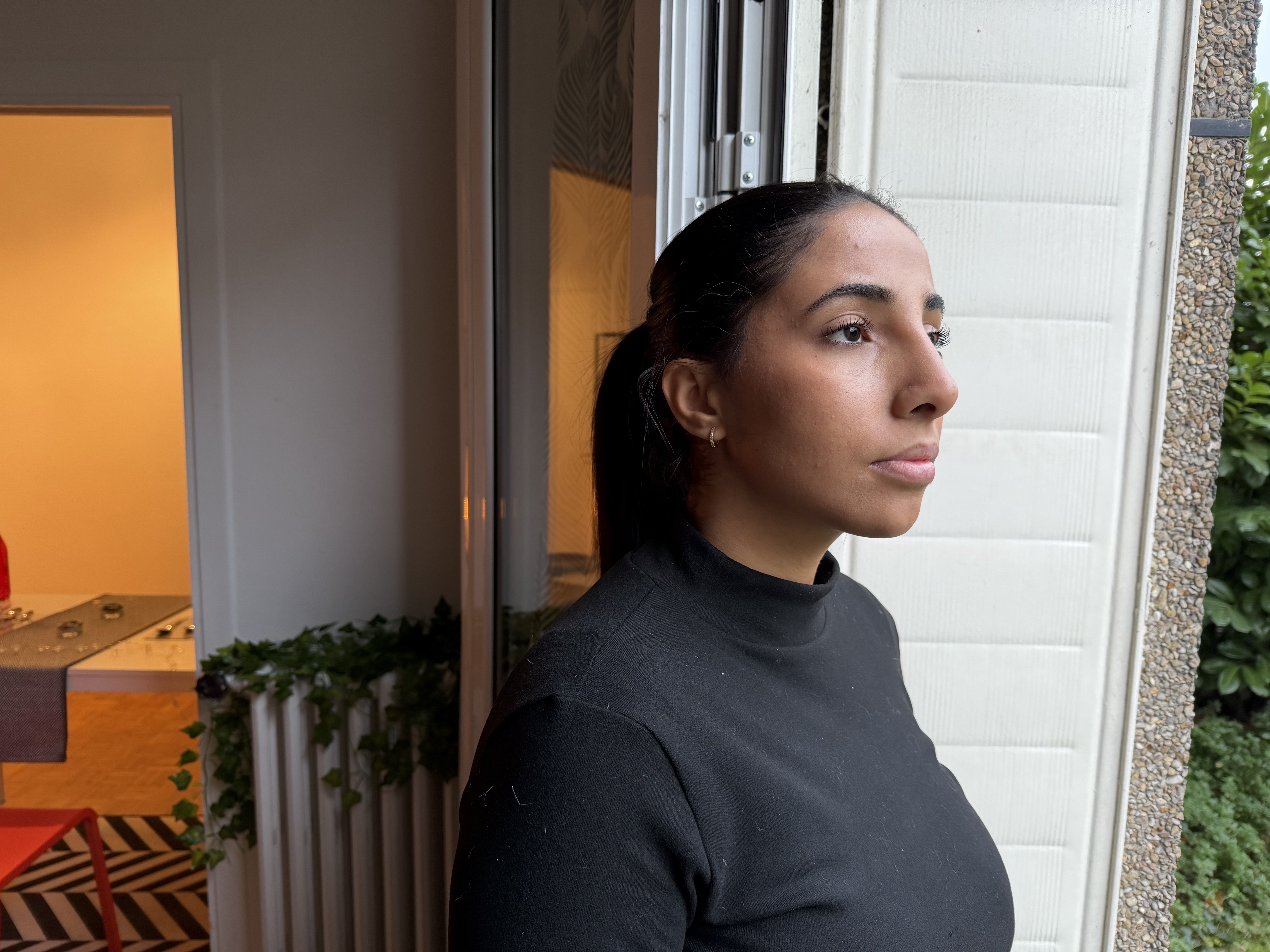
Color rendering is one of the main strengths of the Vivo X300 Pro, placing it among the top devices in our database. Skin tones are generally pleasant and soft, while backgrounds remain well saturated. White balance is often neutral or slightly warm, although stronger casts can sometimes appear in lowlight conditions. Most skin tones are accurately rendered, but occasional issues can be observed on deep skin tones, or on fair skin when deep skin tones are present in the same scene. These failures are usually linked to slightly high target exposure on darker skin. Under warm lowlight illumination, color casts can become more noticeable, though the overall hue of the cast remains natural.

Vivo X300 Pro – Bright face exposure, pleasant skin tone, saturated colors
Huawei Pura 80 Ultra – Slightly red skin tone, pleasant colors
Apple iPhone 17 Pro – Lower face exposure, pleasant skin tone, natural colors
Vivo X300 Pro – Strong orange cast
Huawei Pura 80 Ultra – Visible orange cast
Apple iPhone 17 Pro – Slight orange cast
Sharpness & Timing
109

Vivo X300 Pro

135

Huawei Pura 80 Ultra

Autofocus tests concentrate on focus accuracy, focus repeatability, shooting time delay, and depth of field. Shooting delay is the difference between the time the user presses the capture button and the time the image is actually taken. It includes focusing speed and the capability of the device to capture images at the right time, what is called 'zero shutter lag' capability. Even if a shallow depth of field can be pleasant for a single subject portrait or close-up shot, it can also be a problem in some specific conditions such as group portraits; Both situations are tested. Focus accuracy is also evaluated in all the real-life images taken, from infinity to close-up objects and in low light to outdoor conditions.

Autofocus irregularity and speed: 5Lux Δ0EV Tungsten Handheld
This graph illustrates focus accuracy and speed as well as zero shutter lag capability by showing the edge acutance versus the shooting time measured on the AFHDR setup on a series of pictures. All pictures were taken in one light condition and indicated illuminant, 500ms after the defocus. The edge acutance is measured on the four edges of the Dead Leaves chart, and the shooting time is measured on the LED Universal Timer.
Autofocus irregularity and speed on AFHDR Portrait Diana setup: 10000Lux Δ0EV D55 Handheld
This graph illustrates focus accuracy and zero shutter lag capability by showing the level of details on the face versus the shooting time measured on the AFHDR Portrait setup on a series of pictures. All pictures were taken at 10000 Lux with D55 illuminant, 500 ms after the defocus. The level of details on the face is measured using DXOMARK Detail Preservation Metric on the Realistic Mannequin, the higher the JOD is the more details are visible on the face. And the shooting time is measured on the LED Universal Timer.
Autofocus irregularity and speed on AFHDR Portrait Eugene setup: 5Lux Δ0EV 2700K Handheld
This graph illustrates focus accuracy and zero shutter lag capability by showing the level of details on the face versus the shooting time measured on the AFHDR Portrait setup on a series of pictures. All pictures were taken at 5 Lux with LED 2700K illuminant, 500 ms after the defocus. The level of details on the face is measured using DXOMARK Detail Preservation Metric on the Realistic Mannequin, and the shooting time is measured on the LED Universal Timer.

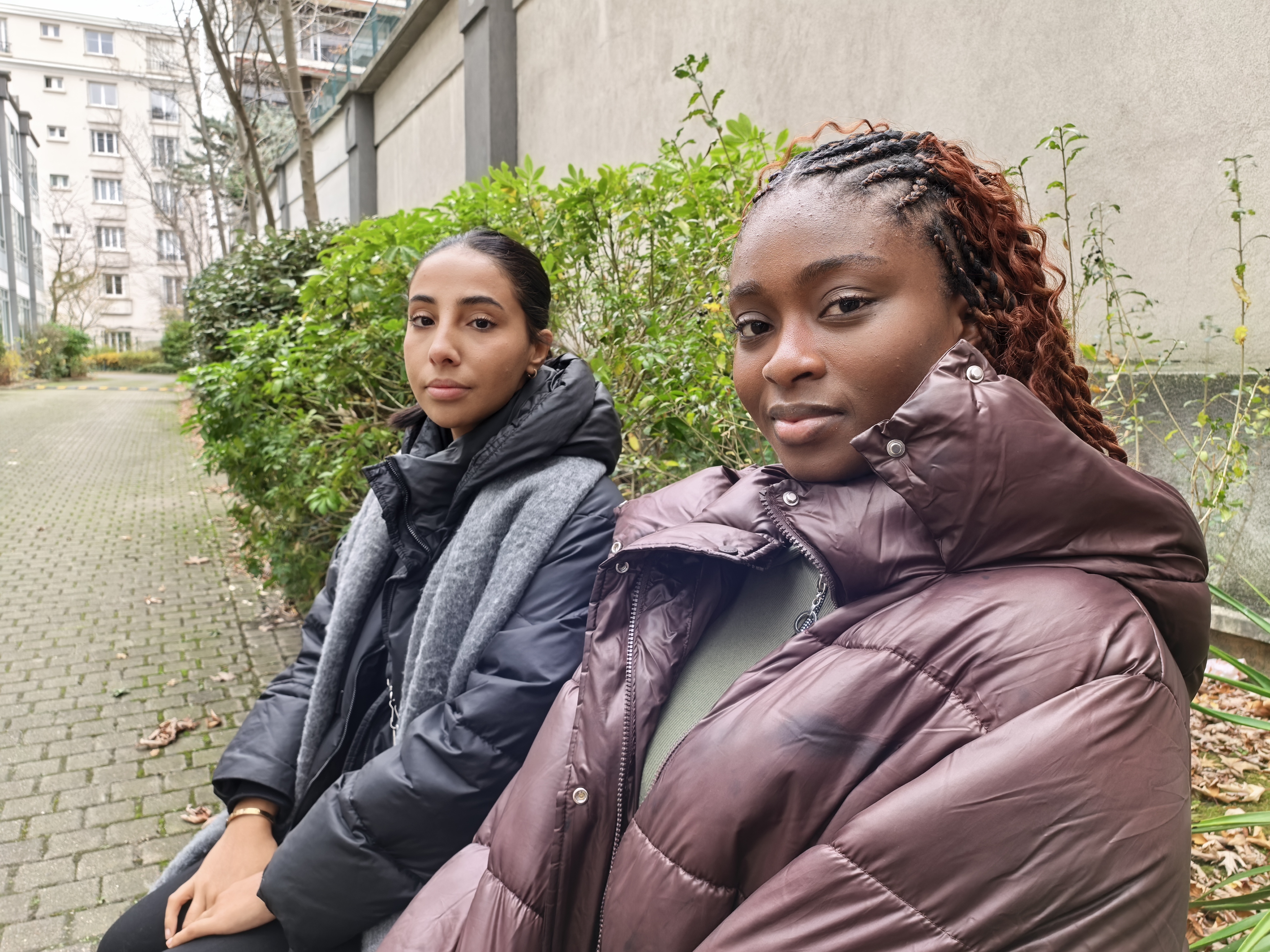
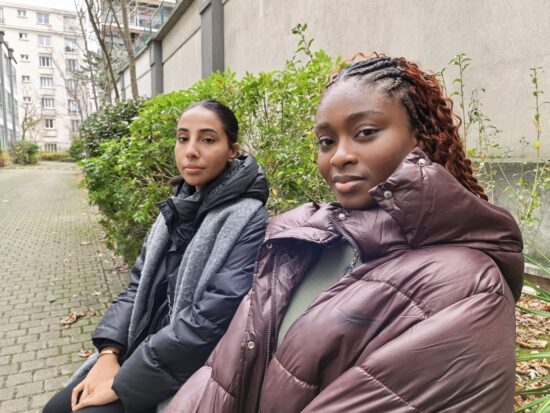
The autofocus of the Vivo X300 Pro is generally fast, accurate, and reliable. The first detected face is usually in focus with very few failures, allowing sharp and quick captures. In group pictures, however, the slightly limited depth of field can result in subjects positioned at the back appearing a bit blurry. AI-based recovery on the face helps to compensate for this to some extent, but it does not fully eliminate the effect.
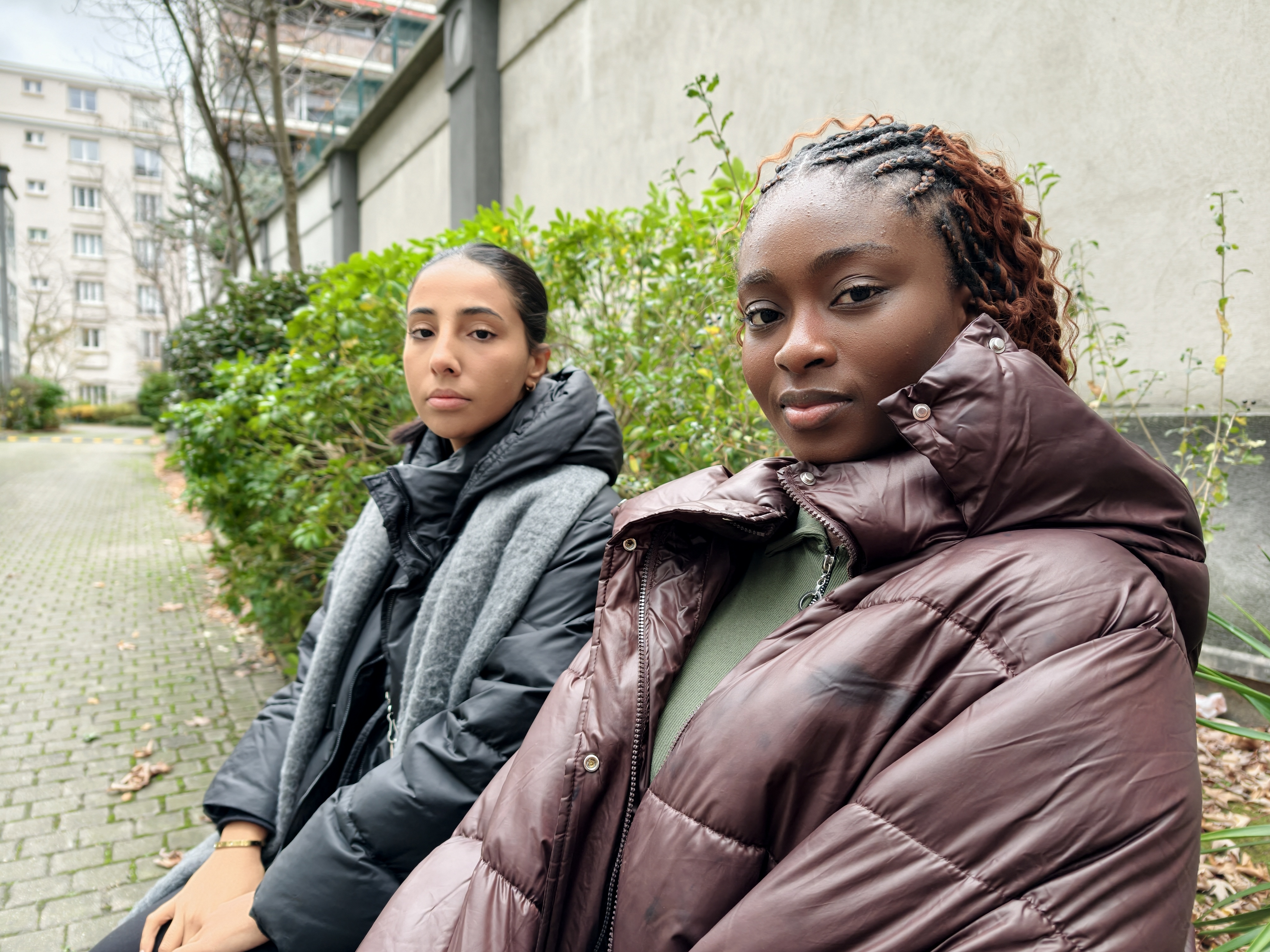
Bench Duo
Vivo X300 Pro - Good focus on the first face, second face is a bit blurry.
Eiffel Tower
Huawei Pura 80 Ultra - Good focus on the first face, second face is also sharp.
Bench Duo
Apple iPhone 17 Pro - Good focus on first face, second face is blurry
Texture
128

Vivo X300 Pro

132

Vivo X200 Ultra

Texture tests analyze the level of details and the texture of subjects in the images taken in the lab as well as in real-life scenarios. For natural shots, particular attention is paid to the level of details in the bright and dark areas of the image. Objective measurements are performed on chart images taken in various lighting conditions from 0.1 to 10,000+ lux and different kinds of dynamic range conditions. The charts used are the proprietary DXOMARK chart (DMC), and the Dead Leaves chart. We also have an AI based metric for the level of details on our realistic mannequins Eugene and Diana.

DXOMARK CHART (DMC) detail preservation score vs lux levels for handheld conditions
This graph shows the evolution of the DMC detail preservation score with the level of lux, for two holding conditions. DMC detail preservation score is derived from an AI-based metric trained to evaluate texture and details rendering on a selection of crops of our DXOMARK chart.

As mentioned, the Vivo X300 Pro maintains a high level of detail in most conditions. While it does not particularly stand out in bright daylight compared to competitors, it performs especially well indoors and in lowlight situations. Fine details, such as hair and eyebrows, are often preserved even in darker conditions, which is quite impressive.

This level of detail preservation is partly achieved through AI-based enhancements, which can occasionally introduce artifacts or slightly unnatural textures. Compared to devices like the Huawei Pura, which use stronger sharpening to retain details, the Vivo offers smoother textures, particularly on skin, resulting in a more natural and pleasant rendering.
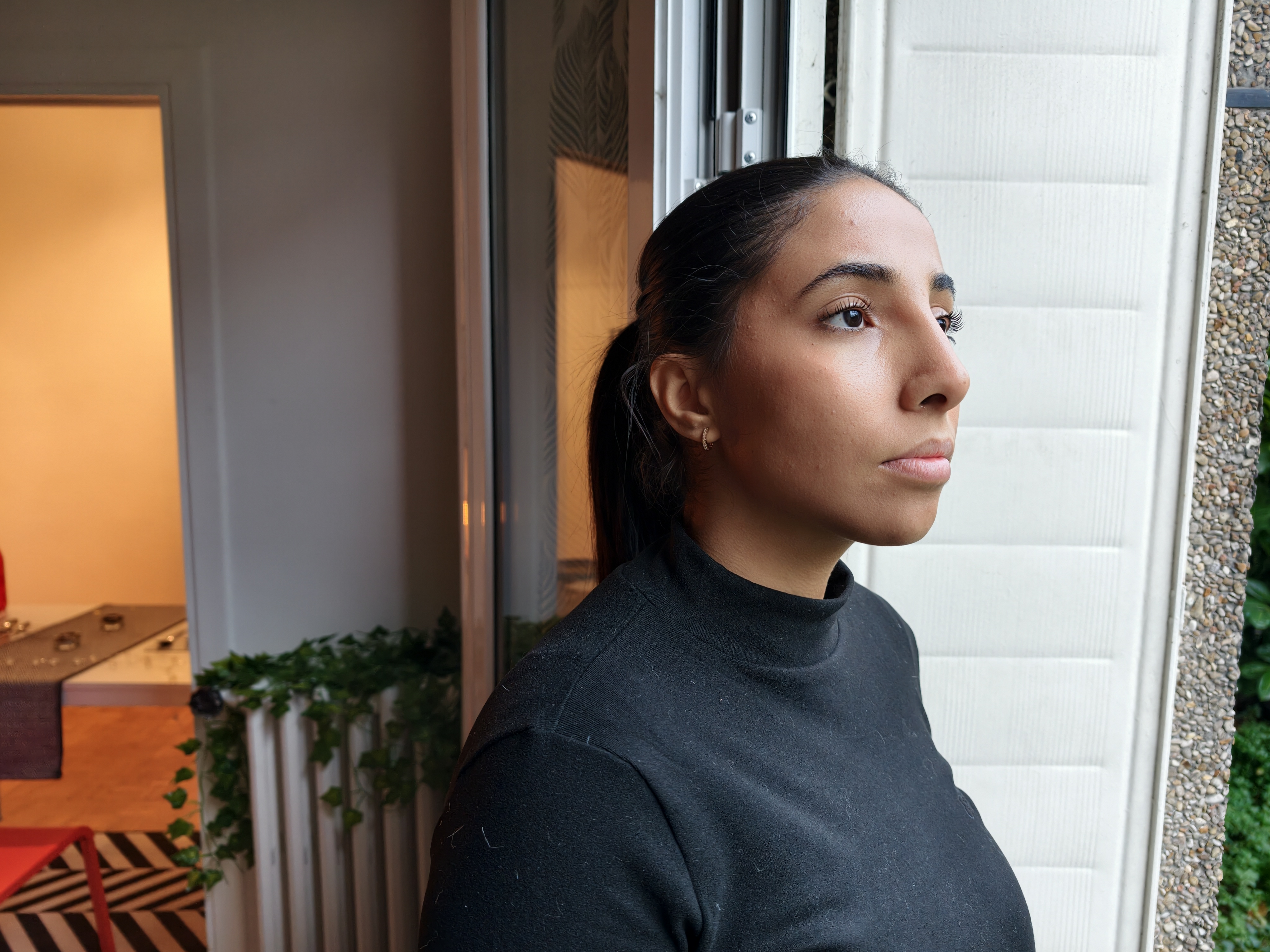
Portrait Window
Vivo X300 Pro - Good level of details, smooth rendering
Portrait Window
Huawei Pura 80 Ultra - High level of details, sharp rendering
Portrait Window
Apple iPhone 17 Pro - High level of details, balanced sharpening
Art on Tablet
Vivo X300 Pro - High level of details, slightly unnatural rendering
Art on Tablet
Huawei Pura 80 Ultra - Good level of details, fine details are lost
Art on Tablet
Apple iPhone 17 Pro - Good level of details, fine details are lost
Noise
128

Vivo X300 Pro

129

Oppo Find X8 Ultra

Noise tests analyze various attributes of noise such as intensity, chromaticity, grain, structure on real-life images as well as images of charts taken in the lab. For natural images, particular attention is paid to the noise on faces, landscapes, but also on dark areas and high dynamic range conditions. Noise on moving objects is also evaluated on natural images. Objective measurements are performed on images of charts taken in various conditions from 0.1 to 10000 lux and different kinds of dynamic range conditions. The chart used is the Dead Leaves chart and the standardized measurement such as Visual Noise derived from ISO 15739.

Visual noise evolution with illuminance levels in handheld condition
This graph shows the evolution of visual noise metric with the level of lux in handheld condition. The visual noise metric is the mean of visual noise measurement on all patches of the Dead Leaves chart in the AFHDR setup. DXOMARK visual noise measurement is derived from ISO15739 standard.

While the Vivo X300 Pro is able to maintain a very good level of detail even in lowlight conditions, its noise management is particularly impressive. Most high-end devices now achieve effective noise reduction in bright conditions, but the Vivo stands out for its performance in lowlight. It preserves fine details while keeping visible noise to a minimum. Some low-frequency chroma noise can occasionally be observed in very dark conditions, but luminance noise remains almost entirely absent, contributing to clean and pleasant lowlight images.
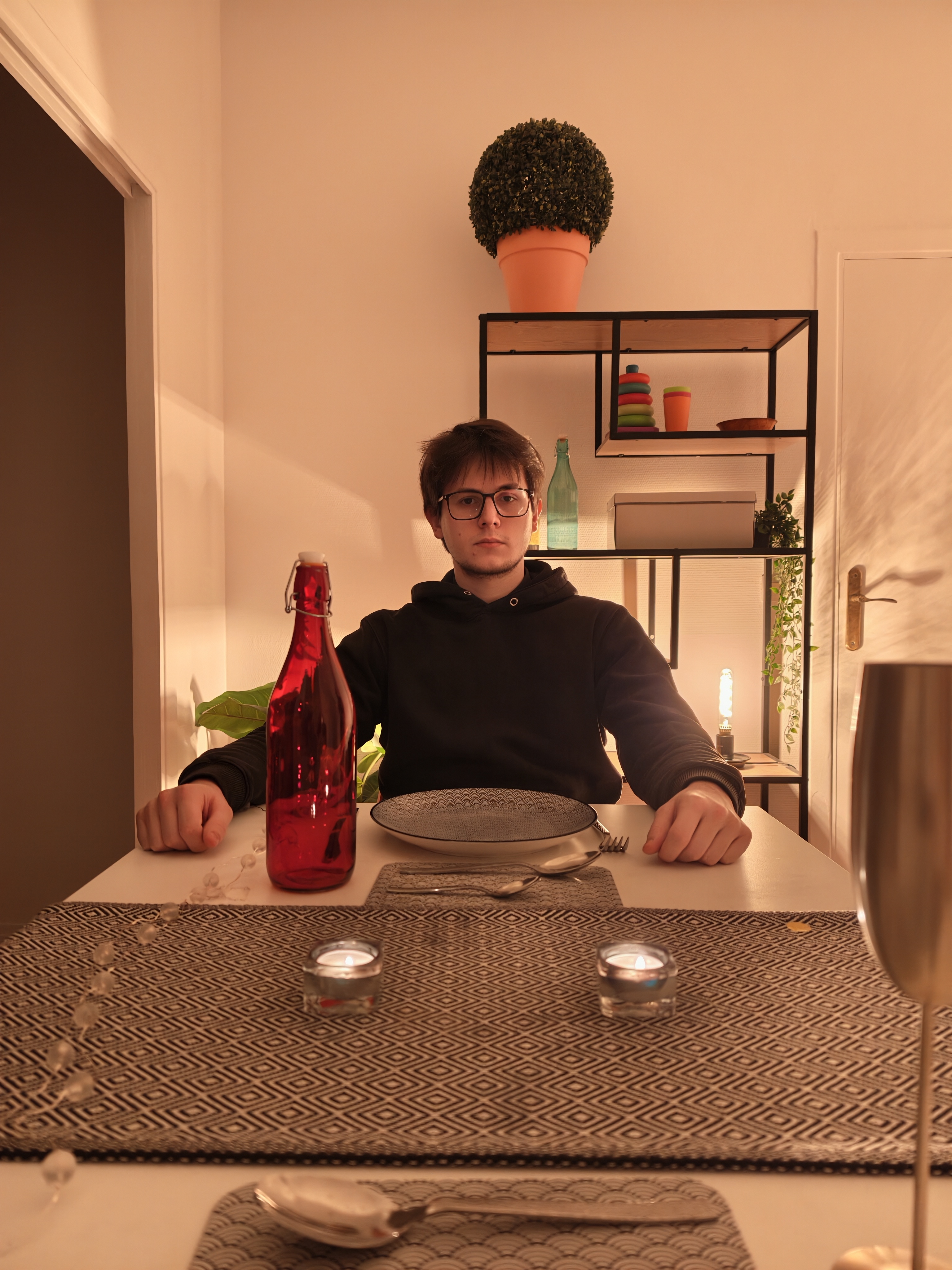
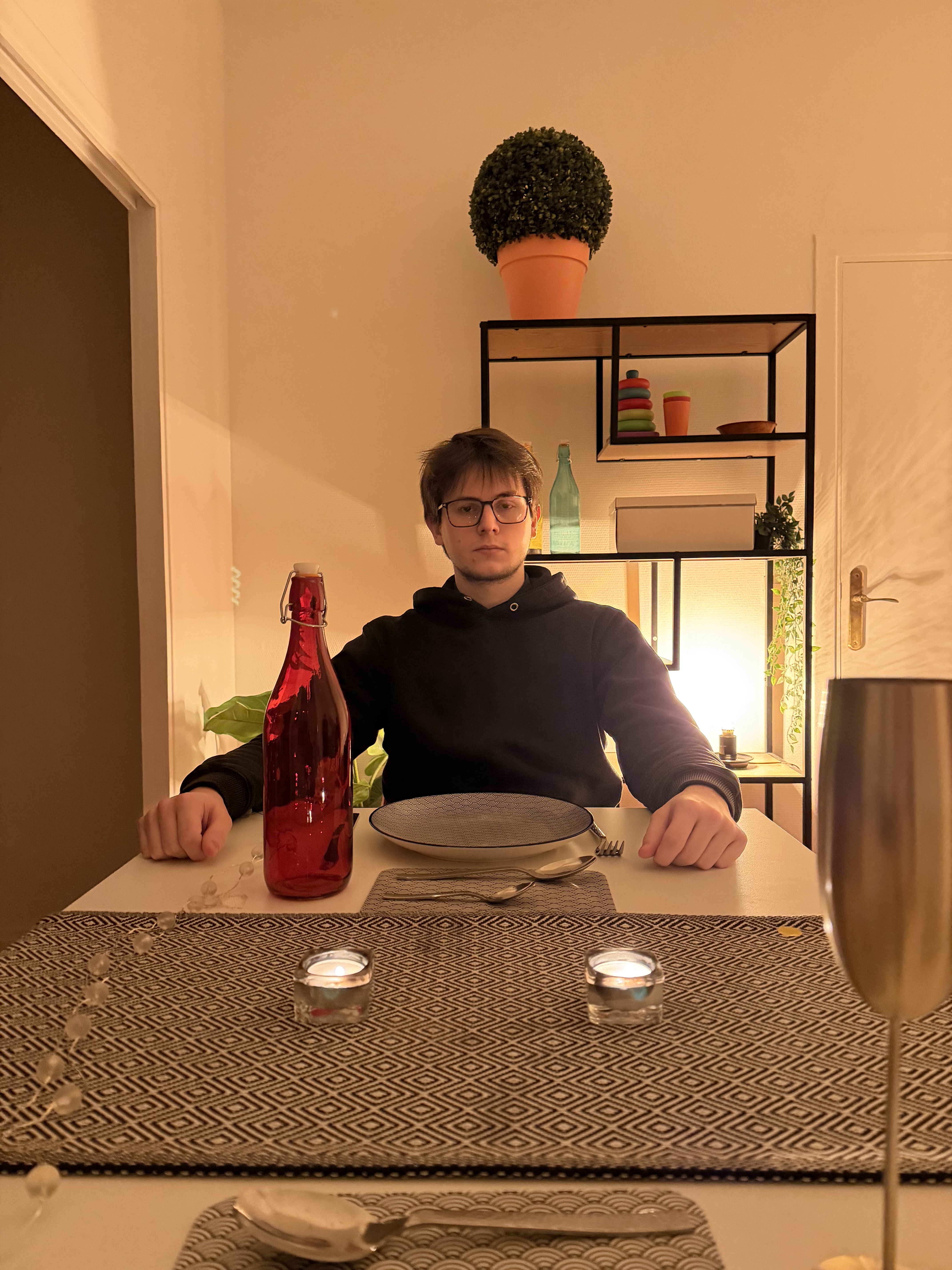
Candle Dinner
Vivo X300 Pro - Very fine luminance noise on subject, good level of details
Candle Dinner
Huawei Pura 80 Ultra - Very fine luminance noise on subject, good level of details
Candle Dinner
Apple iPhone 17 Pro - Visible luminance noise on subject, loss of details
Artifacts
76

Vivo X300 Pro

81

Google Pixel 10 Pro XL

The artifacts evaluation looks at flare, lens shading, chromatic aberrations, geometrical distortion, edges ringing, halos, ghosting, quantization, unexpected color hue shifts, among others type of possible unnatural effects on photos. The more severe and the more frequent the artifact, the higher the point deduction on the score. The main artifacts observed and corresponding point loss are listed below.

Main photo artifacts penalties

Bokeh

180

Vivo X300 Pro

Best

Bokeh is tested in one dedicated mode, usually portrait or aperture mode, and analyzed by visually inspecting all the images captured in the lab and in natural conditions. The goal is to reproduce portrait photography comparable to one taken with a DLSR and a wide aperture. The main image quality attributes paid attention to are depth estimation, artifacts, blur gradient, and the shape of the bokeh blur spotlights. Portrait image quality attributes (exposure, color, texture) are also taken into account.

The Vivo X300 Pro’s impressive bokeh mode earns it one of the top scores in our database. With a relatively narrow field of view well-suited for portraits, the camera is able to preserve a high level of detail in images, comparable to the main photo mode, while delivering excellent subject segmentation. Fine details such as hair are well maintained, whereas segmentation on most other devices tends to be slightly rougher. Depth estimation is accurate, producing a soft yet pleasant simulated aperture. All of these elements combine to create sharp images with a convincing photographic bokeh effect.


Grid touch
Vivo X300 Pro - Very good segmentation, no depth estimation issues, fine details are preserved
Grid Touch
Huawei Pura 80 Ultra - Good segmentation, depth estimation issues on the grid, good detail preservation
Grid Touch
Apple iPhone 17 Pro - Good segmentation, slight depth estimation issues on the grid, fine details are lost

Tele

170

Vivo X300 Pro

Best

All image quality attributes are evaluated at focal lengths from approximately 40 mm to 300 mm, with particular attention paid to texture and detail. The score is derived from a number of objective measurements in the lab and perceptual analysis of real-life images.

Vivo X300 Pro Telephoto Scores
This graph illustrates the relative scores for the different zoom ranges evaluated. The abscissa is expressed in 35mm equivalent focal length.

The tele camera of the Vivo X300 Pro is one of the best we have tested. From close to extra-long range, the level of detail preservation is impressive. As is common, detail can be slightly lower at medium range just before the device switches to the dedicated tele module, but even at long distances it captures fine details without over-sharpening. In most conditions, it benefits from the same processing as the main camera, providing accurate target exposure, pleasant colors, and low levels of noise.


DXOMARK CHART (DMC) detail preservation score per focal length
This graph shows the evolution of the DMC detail preservation score with respect to the full-frame equivalent focal length for different light conditions. The x-axis represents the equivalent focal length measured for each corresponding shooting distance and the y-axis represents the maximum details preservation metric score: higher value means better quality. Large dots correspond to zoom ratio available in the user interface of the camera application.
DXOMARK CHART (DMC) detail preservation score per focal length
This graph shows the evolution of the DMC detail preservation score with respect to the full-frame equivalent focal length for different light conditions. The x-axis represents the equivalent focal length measured for each corresponding shooting distance and the y-axis represents the maximum details preservation metric score: higher value means better quality. Large dots correspond to zoom ratio available in the user interface of the camera application.
DXOMARK CHART (DMC) detail preservation score per focal length
This graph shows the evolution of the DMC detail preservation score with respect to the full-frame equivalent focal length for different light conditions. The x-axis represents the equivalent focal length measured for each corresponding shooting distance and the y-axis represents the maximum details preservation metric score: higher value means better quality. Large dots correspond to zoom ratio available in the user interface of the camera application.
DXOMARK CHART (DMC) detail preservation score per focal length
This graph shows the evolution of the DMC detail preservation score with respect to the full-frame equivalent focal length for different light conditions. The x-axis represents the equivalent focal length measured for each corresponding shooting distance and the y-axis represents the maximum details preservation metric score: higher value means better quality. Large dots correspond to zoom ratio available in the user interface of the camera application.
250mm Home Lunch
Vivo X300 Pro - Good level of details, slighlty unnatural texture, no noise
250mm HomeLunch
Huawei Pura 80 Ultra - Good detail preservation, fine noise
250mm HomeLunch
Apple iPhone 17 Pro - Loss of details, visible noise

UltraWide

141

Vivo X300 Pro

169

Vivo X200 Ultra

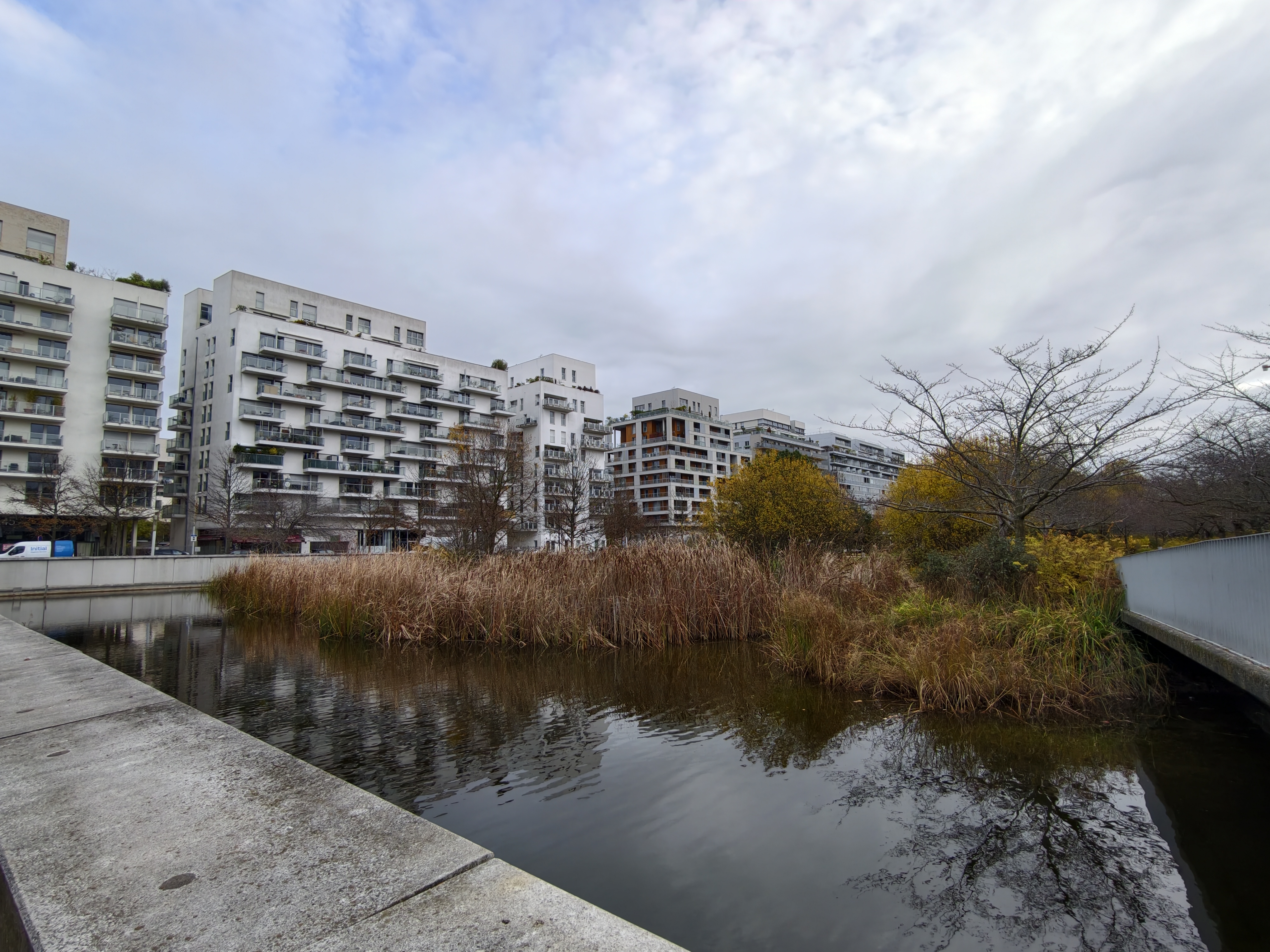
These tests analyze the performance of the ultra-wide camera at several focal lengths from 12 mm to 20 mm. All image quality attributes are evaluated, with particular attention paid to such artifacts as chromatic aberrations, lens softness, and distortion. Pictures below are an extract of tested scenes.

Vivo X300 Pro Ultra-Wide Scores
This graph illustrates the relative scores for the different zoom ranges evaluated. The abscissa is expressed in 35mm equivalent focal length.

Regarding the ultra-wide module, photos are generally crisp and bright. Overall, its strengths and limitations are similar to those of the main camera, with a good level of detail and low levels of noise. Color rendering is generally pleasant, although some color casts can appear in lowlight conditions, and target exposure is usually accurate. However, the field of view is relatively narrow compared to competitors, which can be limiting in certain shooting situations.
DXOMARK CHART (DMC) detail preservation score per focal length
This graph shows the evolution of the DMC detail preservation score with respect to the full-frame equivalent focal length for different light conditions. The x-axis represents the equivalent focal length measured for each corresponding shooting distance and the y-axis represents the maximum details preservation metric score: higher value means better quality. Large dots correspond to zoom ratio available in the user interface of the camera application.
DXOMARK CHART (DMC) detail preservation score per focal length
This graph shows the evolution of the DMC detail preservation score with respect to the full-frame equivalent focal length for different light conditions. The x-axis represents the equivalent focal length measured for each corresponding shooting distance and the y-axis represents the maximum details preservation metric score: higher value means better quality. Large dots correspond to zoom ratio available in the user interface of the camera application.
DXOMARK CHART (DMC) detail preservation score per focal length
This graph shows the evolution of the DMC detail preservation score with respect to the full-frame equivalent focal length for different light conditions. The x-axis represents the equivalent focal length measured for each corresponding shooting distance and the y-axis represents the maximum details preservation metric score: higher value means better quality. Large dots correspond to zoom ratio available in the user interface of the camera application.
DXOMARK CHART (DMC) detail preservation score per focal length
This graph shows the evolution of the DMC detail preservation score with respect to the full-frame equivalent focal length for different light conditions. The x-axis represents the equivalent focal length measured for each corresponding shooting distance and the y-axis represents the maximum details preservation metric score: higher value means better quality. Large dots correspond to zoom ratio available in the user interface of the camera application.
Vivo X300 Pro – Accurate target exposure, good level of details
Huawei Pura 80 Ultra – Accurate target exposure, good level of details
Apple iPhone 17 Pro – Accurate target exposure, fine details are lost

Video

169

Vivo X300 Pro

172

Apple iPhone 17 Pro
About DXOMARK Camera Video tests

DXOMARK engineers capture and evaluate almost 3 hours of video in controlled lab environments and in natural low-light, indoor and outdoor scenes, using the camera’s default settings. The evaluation consists of visually inspecting natural videos taken in various conditions and running objective measurements on videos of charts recorded in the lab under different conditions from 0.1 to 10000+ lux and color temperatures from 2,300K to 6,500K.

The Vivo X300 Pro excels in video, offering a wide range of modes from 8K 30fps to 4K 120fps, including HDR Dolby support.

In our tests at 4K 30fps, the device stands out across all aspects. Exposure is consistently accurate in all lighting conditions, supported by a wide dynamic range, and the camera manages smooth adaptations without instabilities. Color rendering is generally pleasant under most conditions, with accurate white balance and natural-looking skin tones, free from noticeable instabilities.

Autofocus is fast and reliable across different scenarios. The level of detail is high, though slightly less sharp than some high-end competitors, but the overall rendering remains natural and free of artifacts. Noise levels are very low, to the point that users will rarely notice any noise in typical shooting conditions. As with other HDR-capable devices, viewing the enhanced HDR footage requires an HDR-compatible display. Platforms like YouTube, for instance, will only stream the original HDR version when played on an HDR-enabled screen; otherwise, a compressed SDR version is displayed.

Main

178

Vivo X300 Pro

186

Apple iPhone 17 Pro
Vivo X300 Pro Video scores
Video Main tests analyze the same image quality attributes as for still images, such as exposure, color, texture, or noise, in addition to temporal aspects such as speed, and smoothness and stability of exposure, white balance, and autofocus transitions.
Exposure
133

Vivo X300 Pro

Best

Exposure tests evaluate the brightness level of the main subject, the global contrast and the ability to render the dynamic range of the scene (ability to render visible details in both bright and dark areas). When the camera provides Video HDR format, the videos are analyzed with a visualization on an HDR reference monitor, under reference conditions specified in the metadata. Stability and temporal adaption of the exposure are also analyzed.

Brightness on face with illuminance levels (Diana)
These graphs represent the output level on the face measured on the images captured by the device under test in multiple lighting conditions on the AFHDR Portrait setup. We show here the intensity measured on the forehead of the realistic mannequin, for a picture displayed on a HDR monitor in standard ISO/TS 22028-5 playback conditions. The multiple lighting conditions of the scene are characterized by the illumination level in lux and the relative brightness of the backlit panel simulating high dynamic range conditions. Delta EV specifies the difference of luminance in stops between the face and the light panel simulating HDR conditions. The intensity is measured in JND derived from the ICtCp color space.
Brightness on face with illuminance levels (Diana)
These graphs represent the output level on the face measured on the images captured by the device under test in multiple lighting conditions on the AFHDR Portrait setup. We show here the intensity measured on the forehead of the realistic mannequin, for a picture displayed on a HDR monitor in standard ISO/TS 22028-5 playback conditions. The multiple lighting conditions of the scene are characterized by the illumination level in lux and the relative brightness of the backlit panel simulating high dynamic range conditions. Delta EV specifies the difference of luminance in stops between the face and the light panel simulating HDR conditions. The intensity is measured in JND derived from the ICtCp color space.
Brightness on face with illuminance levels (Diana)
These graphs represent the output level on the face measured on the images captured by the device under test in multiple lighting conditions on the AFHDR Portrait setup. We show here the intensity measured on the forehead of the realistic mannequin, for a picture displayed on a HDR monitor in standard ISO/TS 22028-5 playback conditions. The multiple lighting conditions of the scene are characterized by the illumination level in lux and the relative brightness of the backlit panel simulating high dynamic range conditions. Delta EV specifies the difference of luminance in stops between the face and the light panel simulating HDR conditions. The intensity is measured in JND derived from the ICtCp color space.
Brightness on face with illuminance levels (Diana)
These graphs represent the output level on the face measured on the images captured by the device under test in multiple lighting conditions on the AFHDR Portrait setup. We show here the intensity measured on the forehead of the realistic mannequin, for a picture displayed on a HDR monitor in standard ISO/TS 22028-5 playback conditions. The multiple lighting conditions of the scene are characterized by the illumination level in lux and the relative brightness of the backlit panel simulating high dynamic range conditions. Delta EV specifies the difference of luminance in stops between the face and the light panel simulating HDR conditions. The intensity is measured in JND derived from the ICtCp color space.

Similar to its photo capabilities, the Vivo X300 Pro offers a high dynamic range in video, delivering accurate exposure across a wide variety of lighting conditions. It manages transitions between different light levels smoothly and makes effective use of HDR processing to produce videos with good contrast and vibrant, well-preserved highlights.

Vivo X300 Pro – Accurate target exposure, wide dynamic range.

Apple iPhone 17 Pro – Accurate target exposure, wide dynamic range, pleasant contrast.

Huawei Pura 80 Ultra – Accurate target exposure, wide dynamic range.
Color
124

Vivo X300 Pro

131

Apple iPhone 17 Pro

Image-quality color analysis looks at color rendering, skin-tone rendering, white balance, color shading, stability of the white balance and its adaption when light is changing.

As in photo mode, the Vivo X300 Pro handles most lighting conditions with natural colors and pleasant skin tones. Adaptations are accurate and stable, making the device a reliable choice for a wide range of video use cases.

Vivo X300 Pro – Accurate skin tones, slight white balance cast.

Apple iPhone 17 Pro – Accurate skin tones and neutral color rendering.

Huawei Pura 80 Ultra – Inaccurate skin tones.
Sharpness & Timing
119

Vivo X300 Pro

124

Google Pixel 9 Pro XL

For video, autofocus tests concentrate on focus accuracy, focus stability and analysis of convergence regarding speed and smoothness.

The autofocus of the Vivo X300 Pro is fast and accurate, as in photo mode. Target detection is efficient, and focus transitions remain smooth across different shooting conditions.

Vivo X300 Pro – Smoothg and accurate subject tracking and transitions.

Apple iPhone 17 Pro – Smoothg and accurate subject tracking and transitions.

Huawei Pura 80 Ultra – Smoothg and accurate subject tracking and transitions.
Texture
108

Vivo X300 Pro

118

Huawei Pura 80 Ultra

Texture tests analyze the level of details and texture of the real-life videos as well as the videos of charts recorded in the lab. Natural videos recordings are visually evaluated, with particular attention paid to the level of details in the bright and areas as well as in the dark. Objective measurements are performed of images of charts taken in various conditions from 0.1 to 10000 lux. The charts used are the DXOMARK chart (DMC) and Dead Leaves chart.

The Vivo X300 Pro videos retain a high level of detail, on par with most high-end flagship devices, while avoiding unnatural rendering or visible artifacts. Texture remains soft and natural in most lighting conditions.

DXOMARK CHART (DMC) detail preservation video score vs lux levels
This graph shows the evolution of the DMC detail preservation video score with the level of lux in video. DMC detail preservation score is derived from an AI-based metric trained to evaluate texture and details rendering on a selection of crops of our DXOMARK chart.
Noise
123

Vivo X300 Pro

129

Apple iPhone 17 Pro

Noise tests analyze various attributes of noise such as intensity, chromaticity, grain, structure, temporal aspects on real-life video recording as well as videos of charts taken in the lab. Natural videos are visually evaluated, with particular attention paid to the noise in the dark areas and high dynamic range conditions. Objective measurements are performed on the videos of charts recorded in various conditions from 0.1 to 10000 lux. The chart used is the DXOMARK visual noise chart.

Noise mitigation on the Vivo X300 Pro is very effective. From bright daylight to indoor and lowlight conditions, noise is well-controlled and barely noticeable, while preserving a natural rendering and maintaining a high level of detail.

Spatial visual noise evolution with the illuminance level
This graph shows the evolution of spatial visual noise with the level of lux. Spatial visual noise is measured on the visual noise chart in the video noise setup. DXOMARK visual noise measurement is derived from ISO15739 standard.
Temporal visual noise evolution with the illuminance level
This graph shows the evolution of temporal visual noise with the level of lux. Temporal visual noise is measured on the visual noise chart in the video noise setup.
Stabilization
123

Vivo X300 Pro

124

Apple iPhone 17 Pro

Stabilization evaluation tests the ability of the device to stabilize footage thanks to software or hardware technologies such as OIS, EIS, or any others means. The evaluation looks at residual motion, smoothness, jello artifacts and residual motion blur on walk and run use cases in various lighting conditions. The video below is an extract from one of the tested scenes.

The Vivo X300 Pro offers impressive stabilization. In most conditions, it delivers very stable footage, both in static and dynamic scenes, making it suitable for a wide range of use cases.

Vivo X300 Pro – Slight residual motion.

Apple iPhone 17 Pro –  Slight residual motion.

Huawei Pura 80 Ultra – Residual motion and sharpness difference between frames are visible.
Artifacts
83

Vivo X300 Pro

89

Apple iPhone 17 Pro

Artifacts are evaluated with MTF and ringing measurements on the SFR chart in the lab as well as frame-rate measurements using the LED Universal Timer. Natural videos are visually evaluated by paying particular attention to artifacts such as aliasing, quantization, blocking, and hue shift, among others. The more severe and the more frequent the artifact, the higher the point deduction from the score. The main artifacts and corresponding point loss are listed below.

Main video artifacts penalties

UltraWide

139

Vivo X300 Pro

148

Apple iPhone 17 Pro

All image quality attributes are evaluated at focal lengths from approximately 12 mm to 300 mm, with particular attention paid to texture and smoothness of the zooming effect. The score is derived from a number of objective measurements in the lab and perceptual analysis of real-life video recordings.

DXOMARK CHART (DMC) detail preservation score per focal length
This graph shows the evolution of the DMC detail preservation score with respect to the full-frame equivalent focal length for different light conditions. The x-axis represents the equivalent focal length measured for each corresponding shooting distance and the y-axis represents the maximum details preservation metric score: higher value means better quality. Large dots correspond to zoom ratio available in the user interface of the camera application.
DXOMARK CHART (DMC) detail preservation score per focal length
This graph shows the evolution of the DMC detail preservation score with respect to the full-frame equivalent focal length for different light conditions. The x-axis represents the equivalent focal length measured for each corresponding shooting distance and the y-axis represents the maximum details preservation metric score: higher value means better quality. Large dots correspond to zoom ratio available in the user interface of the camera application.
DXOMARK CHART (DMC) detail preservation score per focal length
This graph shows the evolution of the DMC detail preservation score with respect to the full-frame equivalent focal length for different light conditions. The x-axis represents the equivalent focal length measured for each corresponding shooting distance and the y-axis represents the maximum details preservation metric score: higher value means better quality. Large dots correspond to zoom ratio available in the user interface of the camera application.
DXOMARK CHART (DMC) detail preservation score per focal length
This graph shows the evolution of the DMC detail preservation score with respect to the full-frame equivalent focal length for different light conditions. The x-axis represents the equivalent focal length measured for each corresponding shooting distance and the y-axis represents the maximum details preservation metric score: higher value means better quality. Large dots correspond to zoom ratio available in the user interface of the camera application.

Tele

135

Vivo X300 Pro

140

Vivo X200 Ultra
DXOMARK CHART (DMC) detail preservation score per focal length
This graph shows the evolution of the DMC detail preservation score with respect to the full-frame equivalent focal length for different light conditions. The x-axis represents the equivalent focal length measured for each corresponding shooting distance and the y-axis represents the maximum details preservation metric score: higher value means better quality. Large dots correspond to zoom ratio available in the user interface of the camera application.
DXOMARK CHART (DMC) detail preservation score per focal length
This graph shows the evolution of the DMC detail preservation score with respect to the full-frame equivalent focal length for different light conditions. The x-axis represents the equivalent focal length measured for each corresponding shooting distance and the y-axis represents the maximum details preservation metric score: higher value means better quality. Large dots correspond to zoom ratio available in the user interface of the camera application.
DXOMARK CHART (DMC) detail preservation score per focal length
This graph shows the evolution of the DMC detail preservation score with respect to the full-frame equivalent focal length for different light conditions. The x-axis represents the equivalent focal length measured for each corresponding shooting distance and the y-axis represents the maximum details preservation metric score: higher value means better quality. Large dots correspond to zoom ratio available in the user interface of the camera application.
DXOMARK CHART (DMC) detail preservation score per focal length
This graph shows the evolution of the DMC detail preservation score with respect to the full-frame equivalent focal length for different light conditions. The x-axis represents the equivalent focal length measured for each corresponding shooting distance and the y-axis represents the maximum details preservation metric score: higher value means better quality. Large dots correspond to zoom ratio available in the user interface of the camera application.

As with still images, the Vivo X300 Pro benefits from its high-end hardware for video capture across all cameras. The ultra-wide camera is not as wide as some competitors, but overall image quality remains high. Some minor camera jumps can occur when zooming in and out using pinch gestures or zoom buttons, yet the device manages to deliver a smooth and fluid experience across the entire zoom range.

Vivo X300 Pro – Slight loss of detail.

Apple iPhone 17 Pro – Slight loss of detail, slight noise.

Huawei Pura 80 Ultra – Slight loss of detail.

Leave a Reply