
 English


For many smartphone users, zoom has become one of the most important camera features. Whether capturing a distant landmark on vacation, photographing wildlife, or recording a child’s performance from the back of an auditorium, people increasingly expect their smartphone cameras to deliver clear, detailed images from far away. But the journey to today’s impressive zoom capabilities has been a long one, shaped by innovations in optics, sensor technology, and computational photography.
As smartphone zoom continue to evolve, a new question is emerging: have we reached the practical limits of built-in camera hardware, and could external lens add-ons become the next step forward for mobile imaging? This article explores how zoom technology has evolved and why detachable optical accessories may soon attract greater attention from consumers.
The Early Days of Smartphone Zoom
In the early years of mobile photography, zoom was almost entirely digital. Digital zoom works by cropping into an image and enlarging the remaining pixels, often resulting in a noticeable loss of detail and image quality. While convenient, it was never a true substitute for optical magnification. There is also the size constraints challenge as camera modules need to fit inside increasingly slim smartphones. Unlike traditional cameras, there is very little space available for moving lens elements or long focal lengths. As a result, manufacturers rely heavily on software processing to simulate zoom effects.
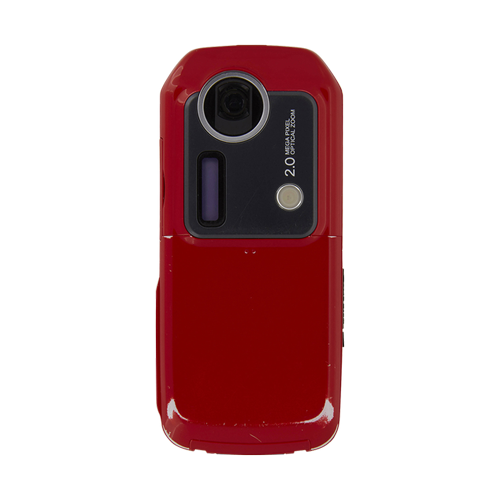
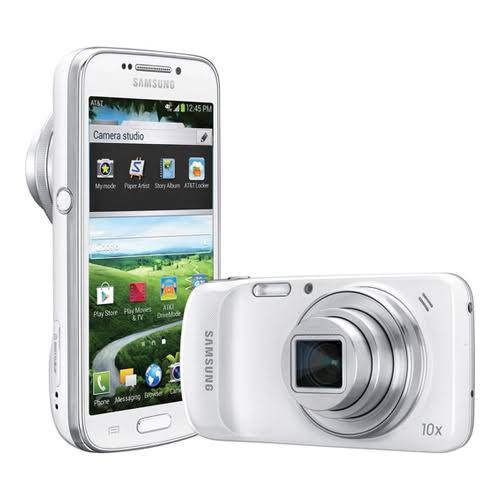
An important milestone came with devices that experimented with optical zoom systems. One notable example was the Sharp 902, which featured an optical zoom lens at a time when such technology was virtually unheard of in mobile devices. This demonstrated the industry’s early ambition to bring true optical magnification to smartphones. The concept was eventually followed by products such as the Samsung Galaxy S4 Zoom, which blurred the line between smartphone and compact camera by incorporating a large zoom lens directly into the device.
Techniques such as multi-frame image fusion, AI-powered detail enhancement, super-resolution processing, and advanced noise reduction allow smartphones to produce zoomed images that far exceed what their small optics could accomplish on their own. By combining information from multiple frames and camera modules, smartphones can recover detail and improve image quality across a wide range of zoom levels.
These computational techniques have become so effective that many flagship devices now offer useful zoom performance far beyond their native optical magnification. For example, many new flagship smartphones promote ultra long zoom ranges that have helped create a user experience that rivals traditional compact cameras in many situations.
The Rise of Multi Camera & Dedicated Telephoto Camera Modules
The modern era of smartphone zoom arrived with the widespread adoption of dedicated telephoto cameras. By adding a second or third camera module with a longer focal length, manufacturers could offer genuine optical magnification without requiring bulky moving lenses. Apple’s iPhone 7 Plus dual-camera setup played an important role in popularizing the use of a dedicated telephoto camera alongside a primary camera. While not technically a zoom lens, the longer focal length of its second lens gives the iPhone 7 Plus the ability to capture native images at a 2x zoom (56mm full-frame equivalent as opposed to 28mm).


A major breakthrough came in 2019 with the launch of the Huawei P30 Pro, a device that popularized the use of periscope-style optics in flagship smartphones. Instead of arranging lens elements vertically, the periscope design redirects light through a prism and positions the optical system horizontally within the phone. This clever engineering solution allows significantly longer focal lengths while maintaining a thin device profile. Since then, periscope cameras have become increasingly common among flagship devices, enabling optical zoom ranges that would have seemed impossible just a few years earlier

How computational photography changed smartphone zoom
Optical hardware alone does not explain modern smartphone zoom quality. The rapid rise of computational photography has transformed what mobile cameras can achieve.
Techniques such as multi-frame image fusion, AI-powered detail enhancement, super-resolution processing, and advanced noise reduction allow smartphones to produce zoomed images that far exceed what their small optics could accomplish on their own. By combining information from multiple frames and camera modules, smartphones can recover detail and improve image quality across a wide range of zoom levels.
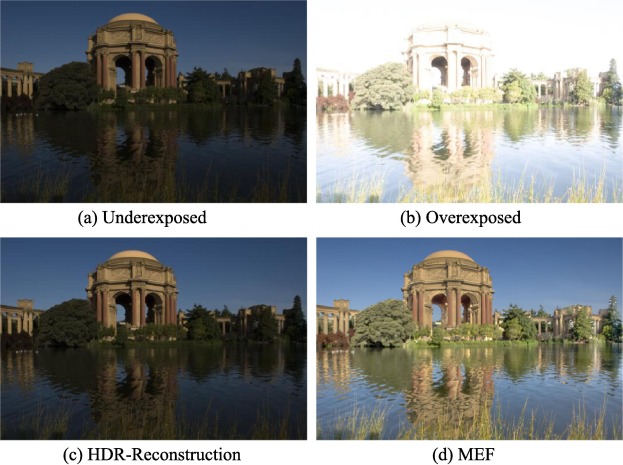
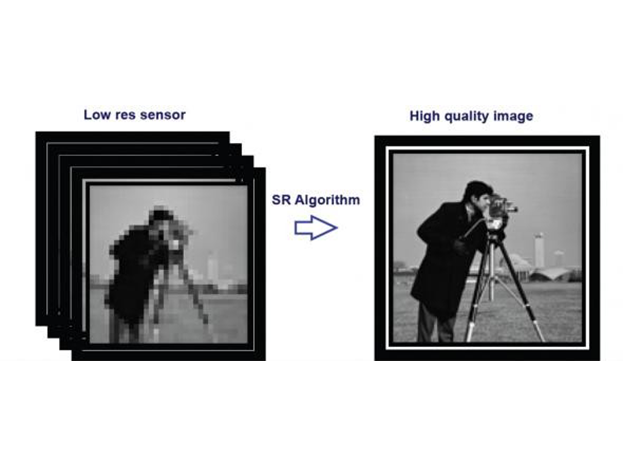
These computational techniques have become so effective that many flagship devices now offer useful zoom performance far beyond their native optical magnification. For example, many new flagship smartphones promote ultra long zoom ranges that have helped create a user experience that rivals traditional compact cameras in many situations.
Are smartphones approaching the limits of built-in zoom?
Despite these advances, smartphone designers still face unavoidable physical constraints. Camera bumps continue to grow larger as manufacturers seek longer focal lengths and bigger image sensors. At the same time, consumer expectations continue to rise.
Today’s flagship smartphones advertise zoom levels of 100x or more, but achieving meaningful image quality at these extreme magnifications remains challenging. While software can compensate for some limitations, physics ultimately imposes restrictions on what can be achieved inside a device only a few millimeters thick. This is a growing challenge as manufacturers push zoom performance further through a combination of hardware and computational techniques.
Could Lens Add-Ons Be the Next Step for Smartphone Zoom?
This is where a new category of products enters the conversation: optical lens add-ons designed specifically for smartphones.
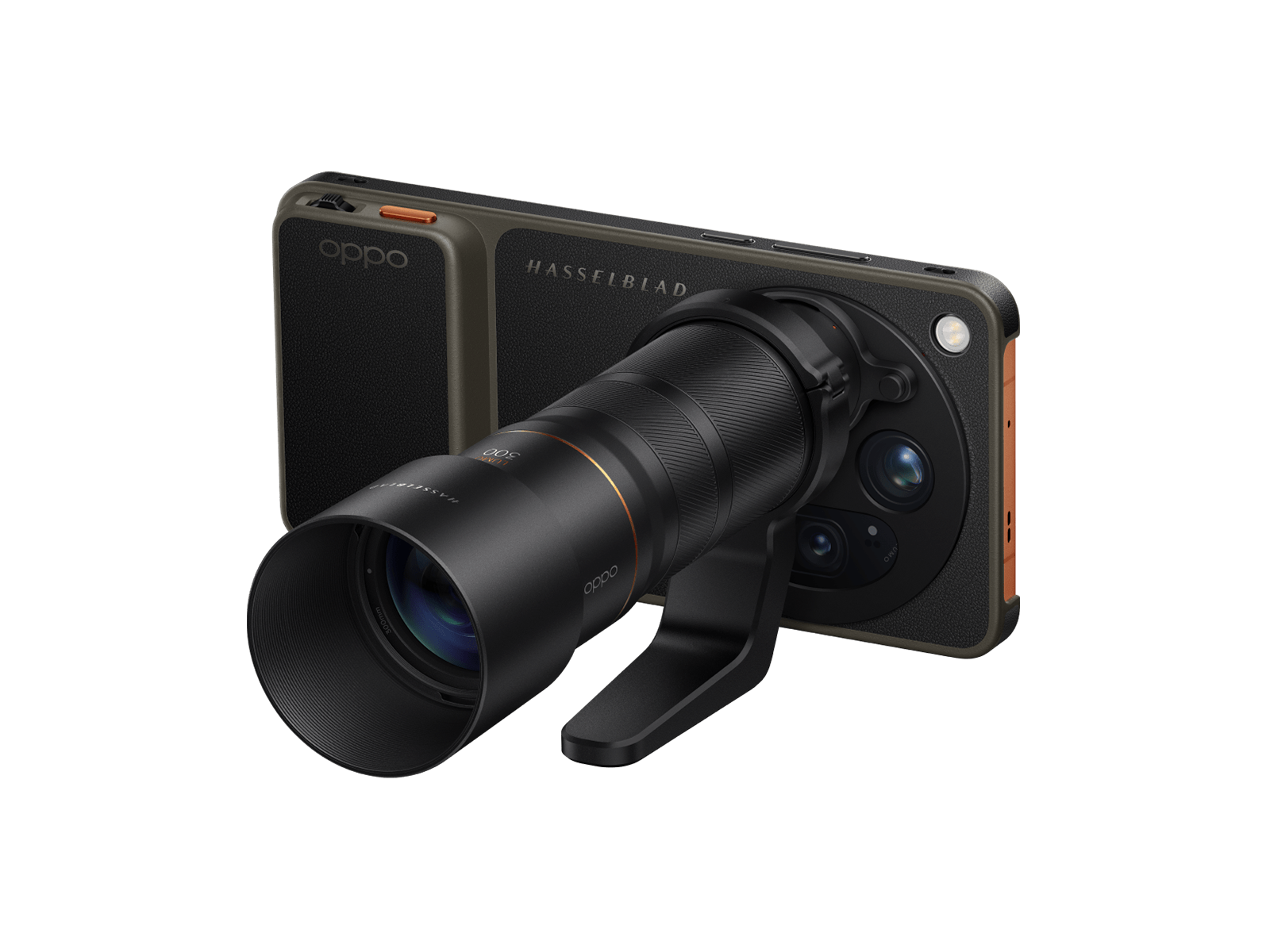
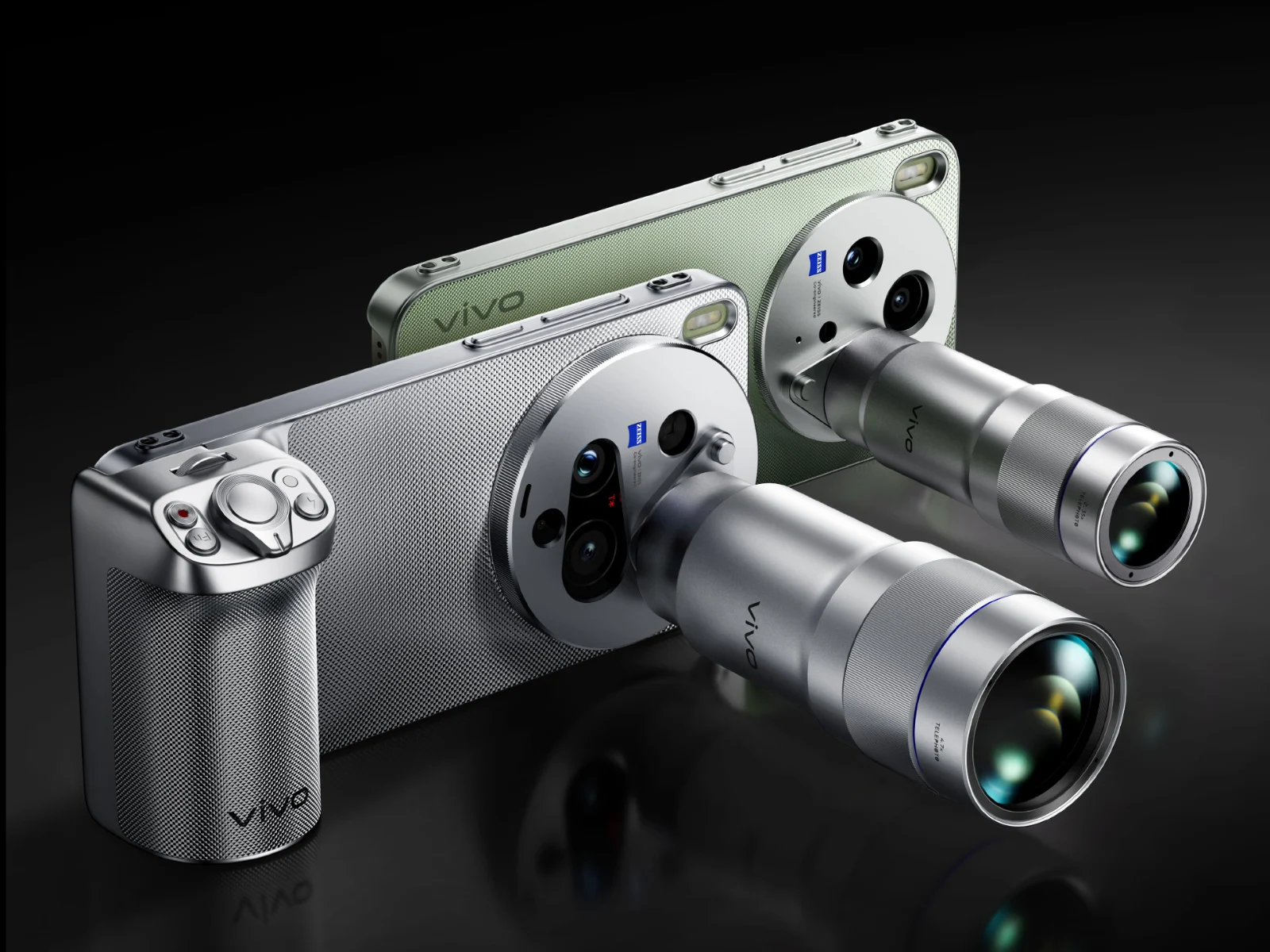
Rather than increasing the complexity of the camera system built into the phone, these accessories provide additional optical reach through external lenses that attach when needed. For consumers who occasionally require significantly longer zoom capabilities, this approach offers an interesting alternative. Instead of purchasing a dedicated camera system with interchangeable lenses, users can potentially extend the capabilities of the smartphone already in their pocket.
The concept is particularly intriguing because modern smartphones already provide powerful image processing, advanced autofocus systems, and sophisticated computational photography pipelines. External optics could allow manufacturers and third-party companies to build upon these strengths while overcoming some of the physical limits imposed by smartphone design.
Looking Ahead
Over the past two decades, smartphone zoom technology has evolved from simple digital crops to advanced multi-camera systems powered by sophisticated computational photography. Dedicated telephoto cameras, periscope optics, and AI-driven image processing have dramatically expanded what users can capture with a smartphone.
As the industry continues to improve integrated camera hardware, the potential for further advances may become increasingly limited in the near future. In this context, detachable optical accessories offer an additional opportunity to enhance smartphone imaging capabilities and go beyond the limitations of built-in camera systems. Whether they remain a niche product or become a more widely adopted complement to traditional camera systems remains to be seen, but they offer a promising way to further improve mobile photography.
In our next article, we’ll take a closer look at some of the latest smartphone zoom add-ons for OPPO and vivo devices, and examine how they perform in real-world and laboratory testing.